

These are the BISAC Categories our books fit in, by order of importance.
FIC005000 FICTION / DYSTOPIAN
FIC028000 FICTION / SCIENCE FICTION / GENERAL
FIC042000 FICTION / POLITICAL
FIC066000 FICTION / SOCIAL THEMES

BISAC CATEGORIES Positioning (in order of importance)
FIC005000 — FICTION / DYSTOPIAN
Primary category.
The series centers on systemic control, social stratification, ecological degradation, and engineered environments that shape behavior. Institutions are not background texture; they are the antagonistic force. Infrastructure dictates morality. Survival requires resistance not only to individuals, but to embedded systems.
This category signals:
- Structural oppression
- Collapsing or optimized societies
- Moral pressure under surveillance or scarcity
- Protagonists confronting systemic logic rather than isolated villains
Dystopia is the spine of the series.
FIC028000 — FICTION / SCIENCE FICTION / GENERAL
Secondary category.
The world operates through speculative mechanisms: advanced surveillance architectures, adaptive infrastructure, ecological mutation, emergent technologies, and altered urban ecosystems. The science is extrapolative rather than fantastical.
This category signals:
- Speculative worldbuilding
- Plausible technological or ecological extensions
- System-level extrapolation grounded in recognizable reality
The science fiction elements enable the dystopia; they do not replace it.
FIC042000 — FICTION / POLITICAL
Tertiary category.
The narrative interrogates governance, institutional power, bureaucratic logic, compliance, propaganda, and the normalization of control. Authority is distributed, procedural, and often faceless. Political tension emerges through policy, infrastructure, and optimization.
This category signals:
- Power structures as thematic focus
- Systems of authority rather than partisan allegory
- Examination of how policy shapes identity and behavior
The political dimension is structural, not rhetorical.
FIC066000 — FICTION / SOCIAL THEMES
Supporting category.
Beyond institutions, the series examines adaptation, identity fragmentation, social stratification, complicity, community fracture, and the psychological cost of prolonged systemic pressure. Alliances strain. Belonging destabilizes.
This category signals:
- Human response to systemic change
- Social cohesion under stress
- Ethical compromise and survival trade-offs
The social lens keeps the story grounded in character rather than abstraction.
CONCLUSION
Those are the BISAC categories we think represent the best our series of Montreal novels. Depending on the future books, the specific BISAC Categories might change, except the Dystopian and Post-Apocalyptic aspects.

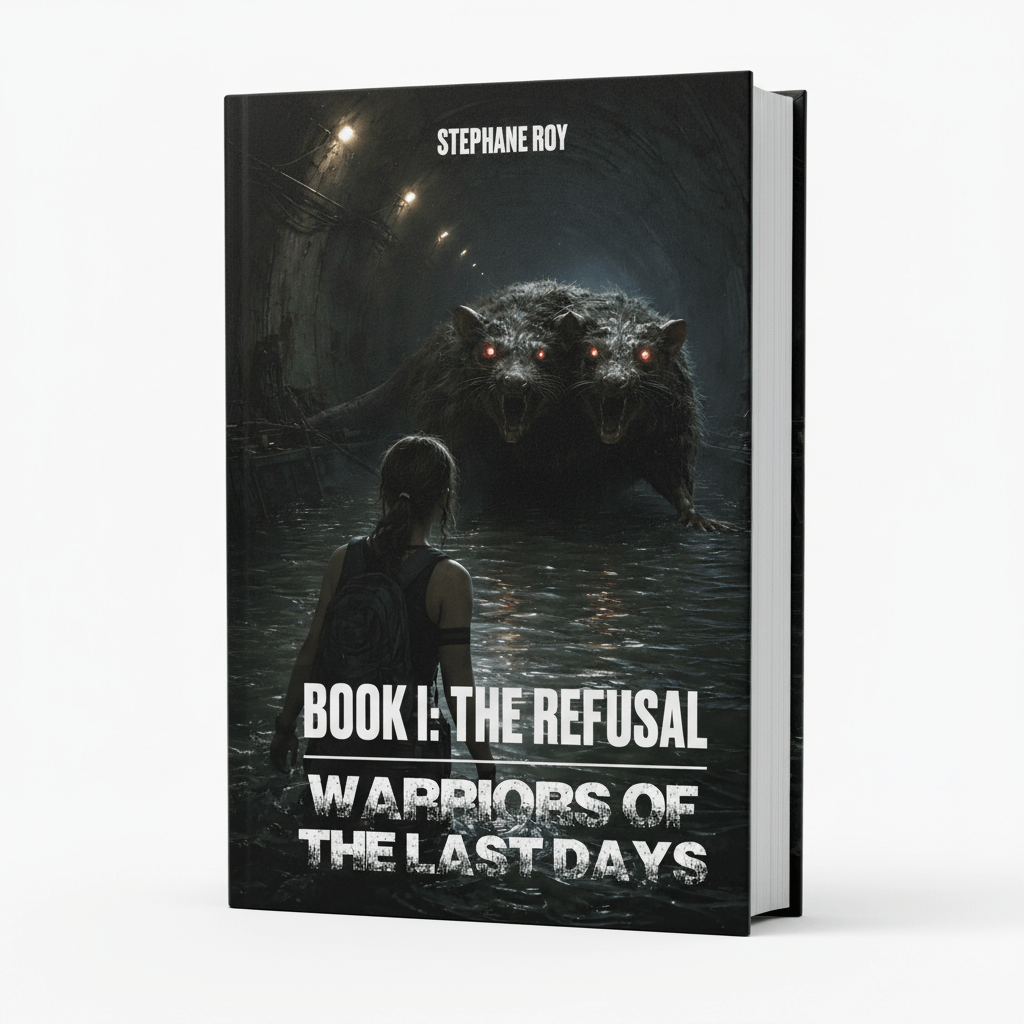


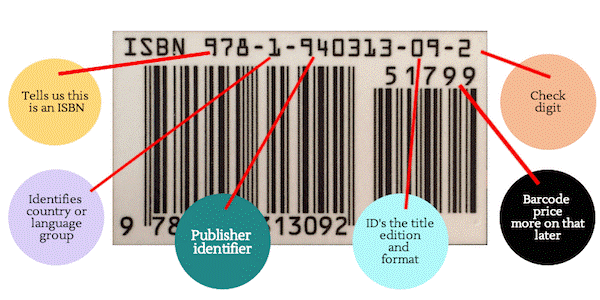



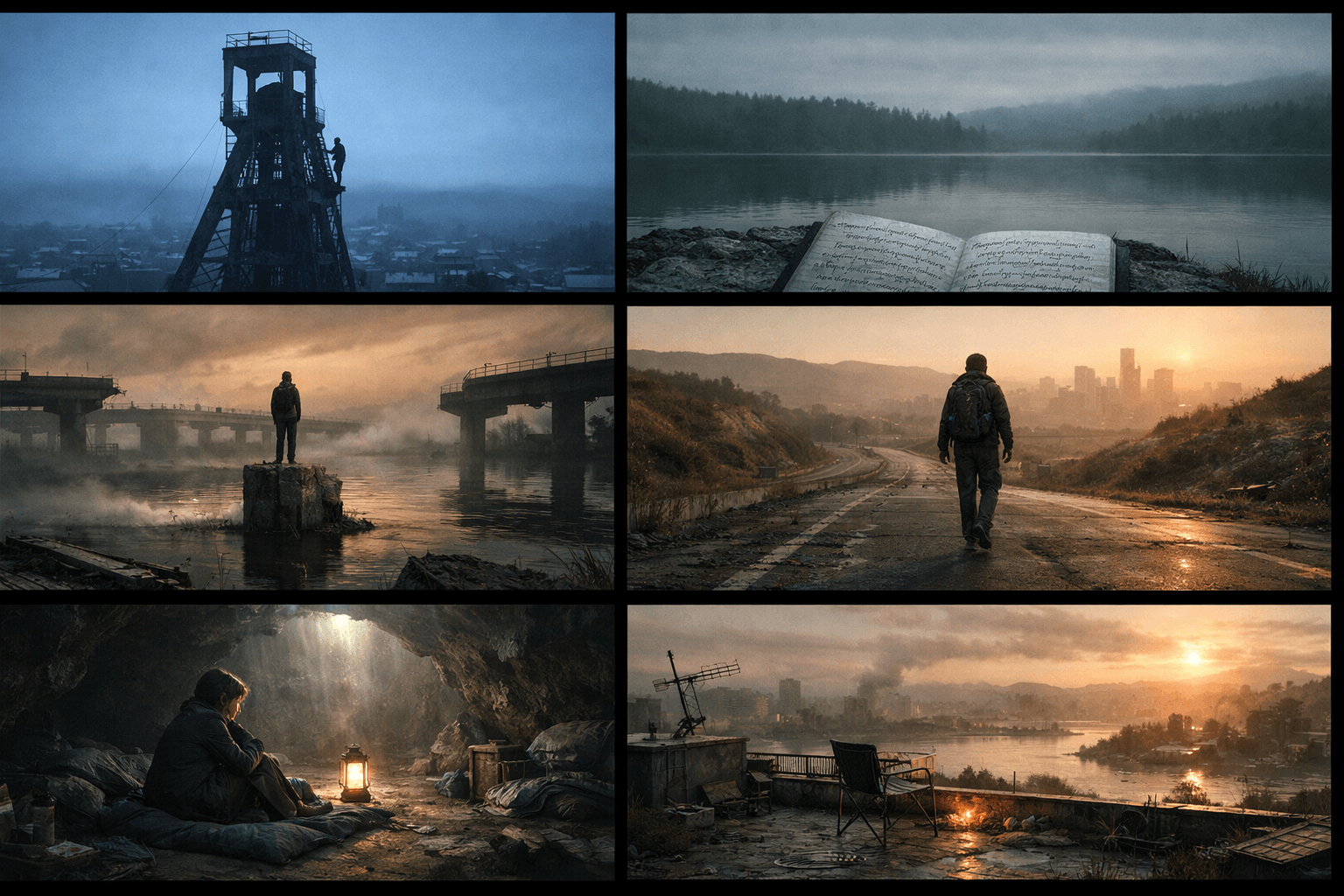


A new post-apocalyptic story from Canada. Every month.
The earlier you join, the larger your library becomes.
Join now. Start building your library before the next hundred.
 Stéphane Roy is a lifelong reader and writer with a deep love for science fiction, apocalyptic worlds, and tightly constructed mysteries. This is his first novel. He lives in the Yukon with his dog and his aquarium, where long winters, silence, and wide, sometimes glowing, skies leave plenty of room for imagining the end of the world, and what might come after it. He is also waiting, with cautious optimism, for the aliens to finally reveal themselves and straighten us all out.