
The World of Warriors of the Last Days
The world of Warriors of the Last Days is not a single apocalypse, but a layered one: various models of survival imposed on the same broken geography.
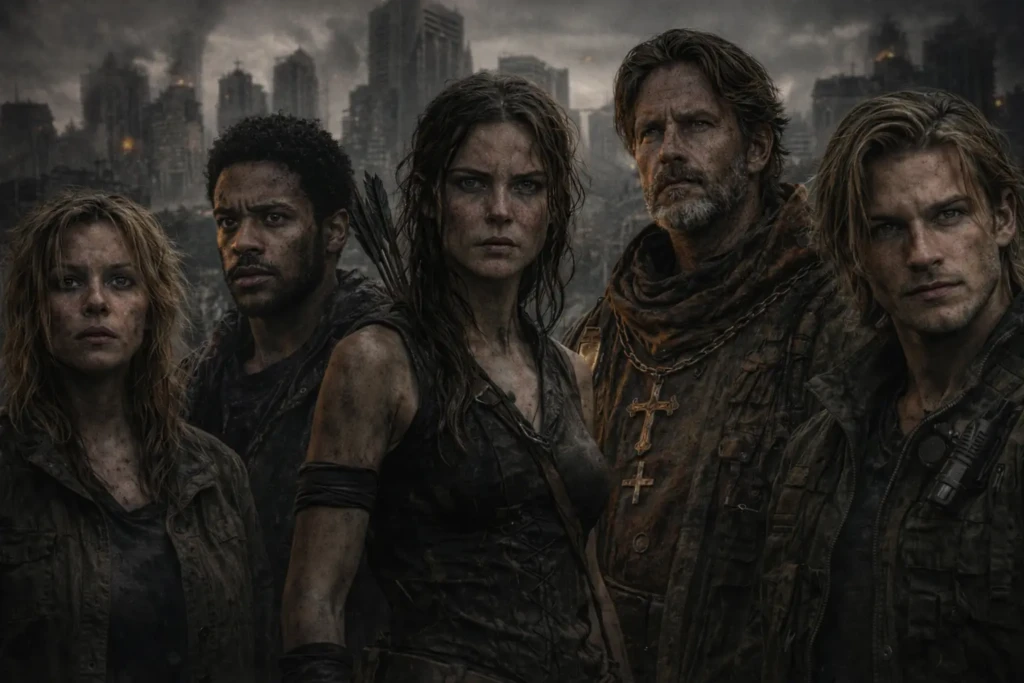
Characters are shaped by the systems they pass through. Some learn to optimize themselves into survival: disciplined, procedural, stripped of excess. Others survive by remaining unreadable: moving last, leaving no pattern, refusing the ledger’s gaze. Warmth becomes dangerous. Memory becomes weight. Agency is negotiated moment by moment against forces that do not hate, but calculate.
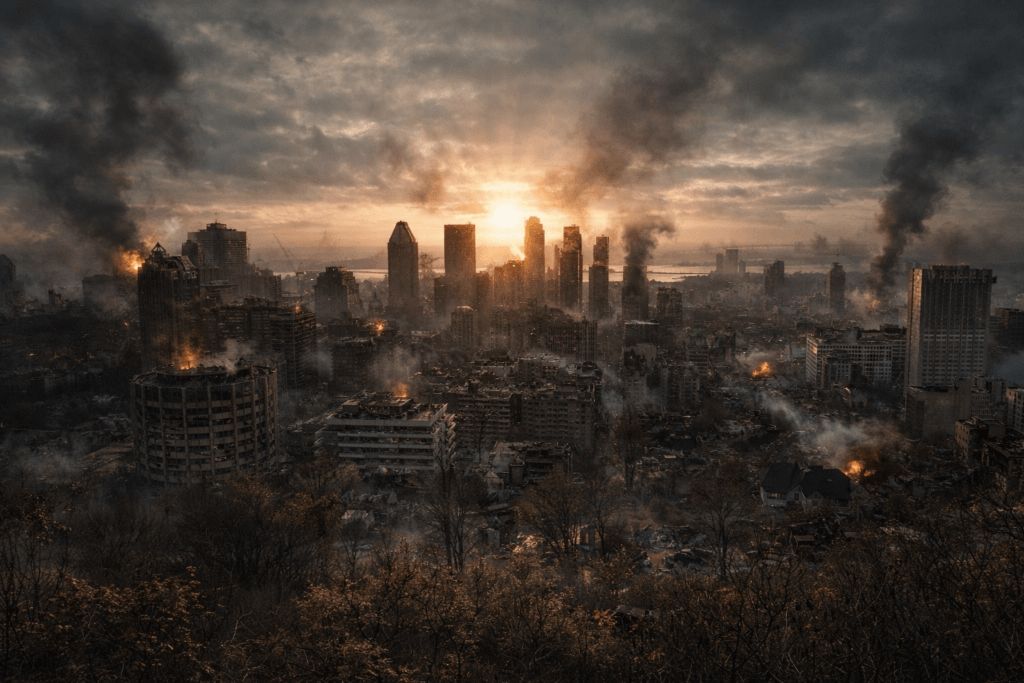
Cities: In Warriors of the Last Days, cities are not background. They are the story.
Each city in the series is shaped by collapse in its own way: through failed systems, broken infrastructure, altered weather, mutated ecologies, and the new forms of power that rise when the old world no longer holds. What once served millions becomes something else entirely: a flooded trench becomes a settlement, a cave becomes a refuge, an abandoned district becomes a territory, a tower becomes a point of control.
This means every city in Warriors of the Last Days carries its own identity, dangers, survival logic, and emotional atmosphere. No two are meant to feel interchangeable. Each one asks a different question about what people become when the structures around them decay, harden, or evolve into something inhuman.
The first city in the series is Montreal, a fractured landscape of microclimates, containment systems, territorial communities, ruined transit corridors, and unstable zones where survival depends on reading both people and place. Future cities will expand the universe further, each adding a new lens on collapse, resistance, adaptation, and control across a broken Canada.
Besides the traditional big cities, we will explore smaller city, provinces and territories. And we will do an excursion in St-Pierre and Miquelon island, technically France but very close to Canada,
At its core, Warriors of the Last Days is a city-based dystopian saga: each place its own world, each world its own struggle, all connected by the larger question of how civilization ends and what rises in its place.
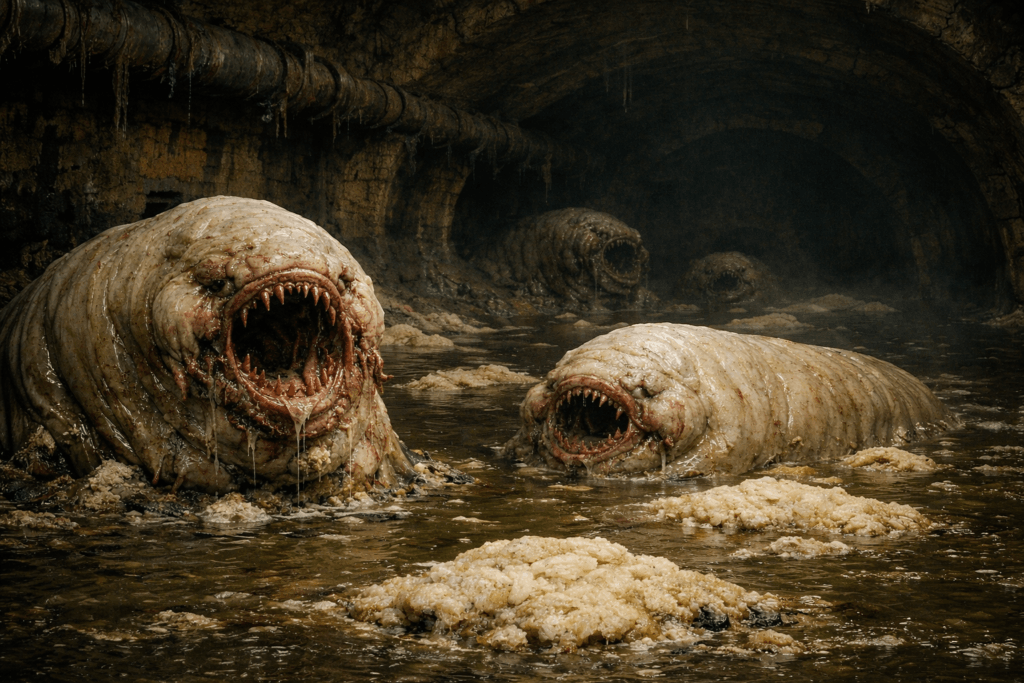
Creatures are not monsters in the traditional sense. They are byproducts: fungal intelligences, pressure-sensitive enforcers, adaptive organisms grown out of waste, heat, and neglect. Some watch. Some harvest. Some simply endure longer than humans ever could.
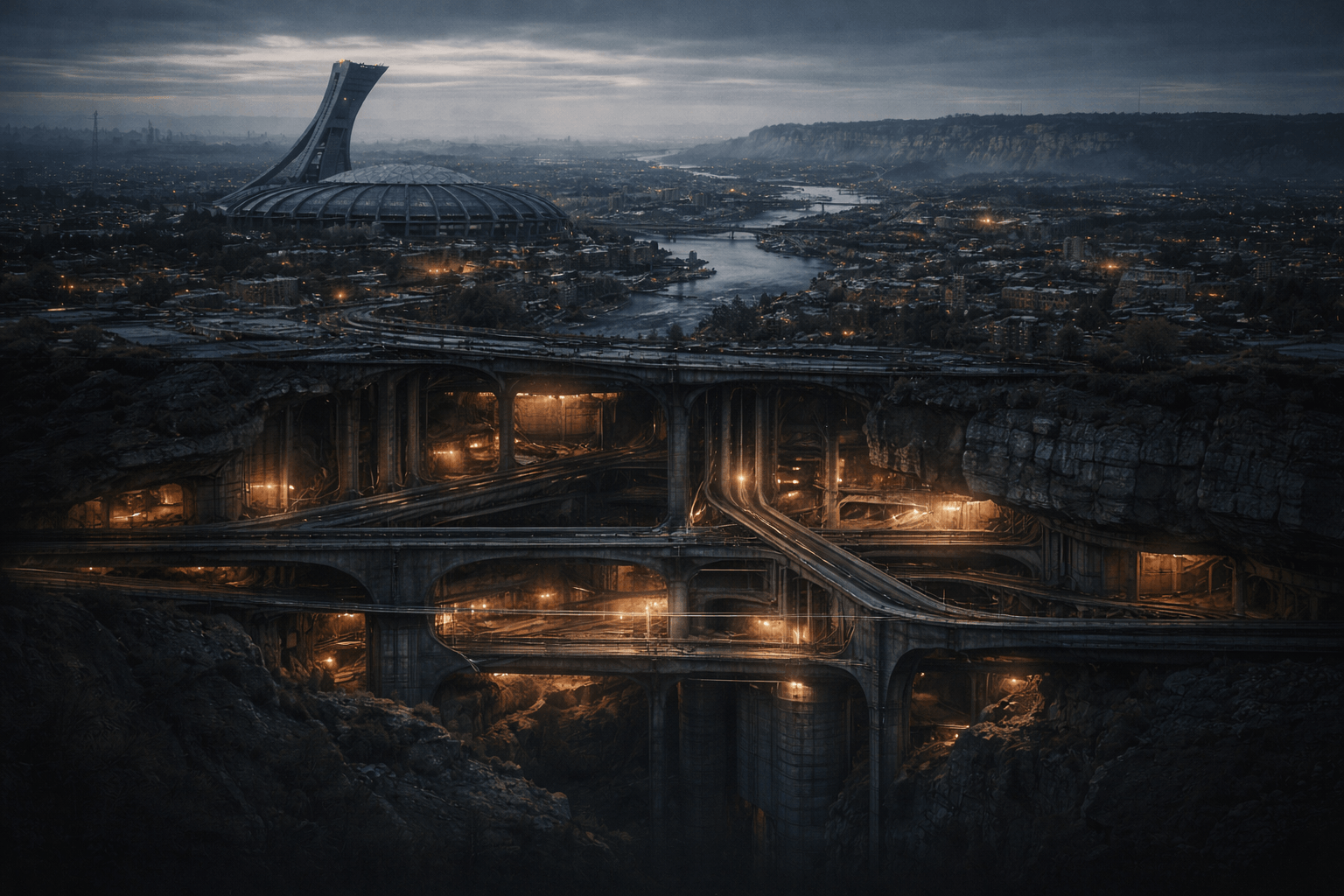
Locations fracture rather than simply disappear. Cities persist as shells: stadiums converted into ritual engines, quarries turned into black lakes, tunnels repurposed as data corridors or sanctuaries. Infrastructure is never neutral. Roads channel bodies. Cathedrals sort belief. Dead zones, collapsed transit lines, flooded basements, signal shadows, become the only places where choice can still breathe.
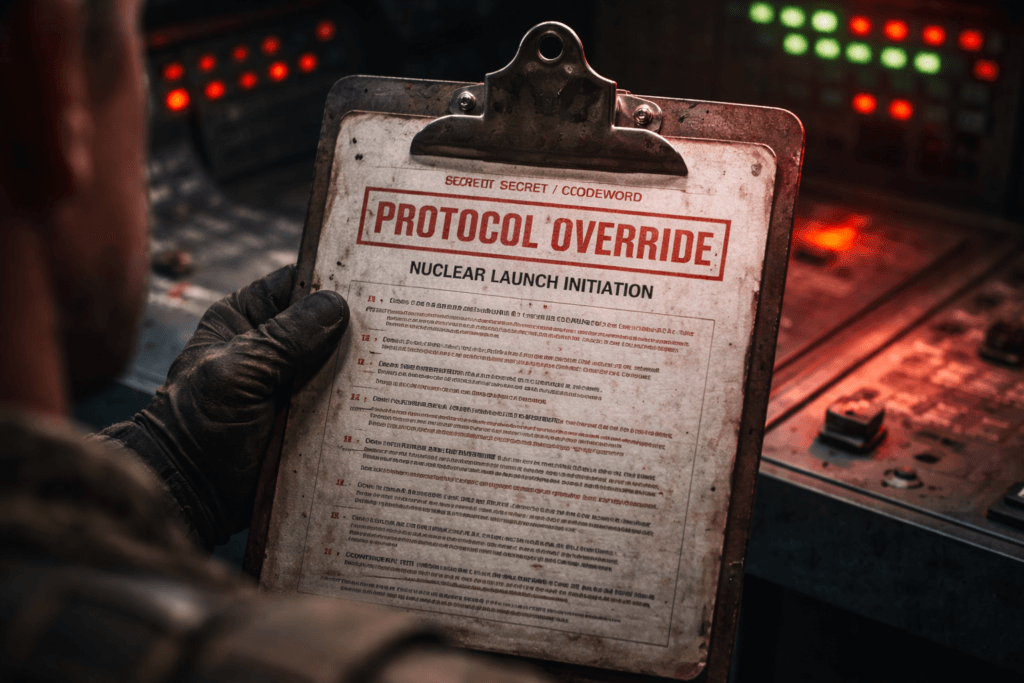
The Last Protocol is the ignition point of Warriors of the Last Days. Before the wasteland factions. Before the scavenger cities. Before the myths hardened into doctrine. In the final hours before collapse, a classified contingency is activated. A protocol. Designed for continuity at any cost.
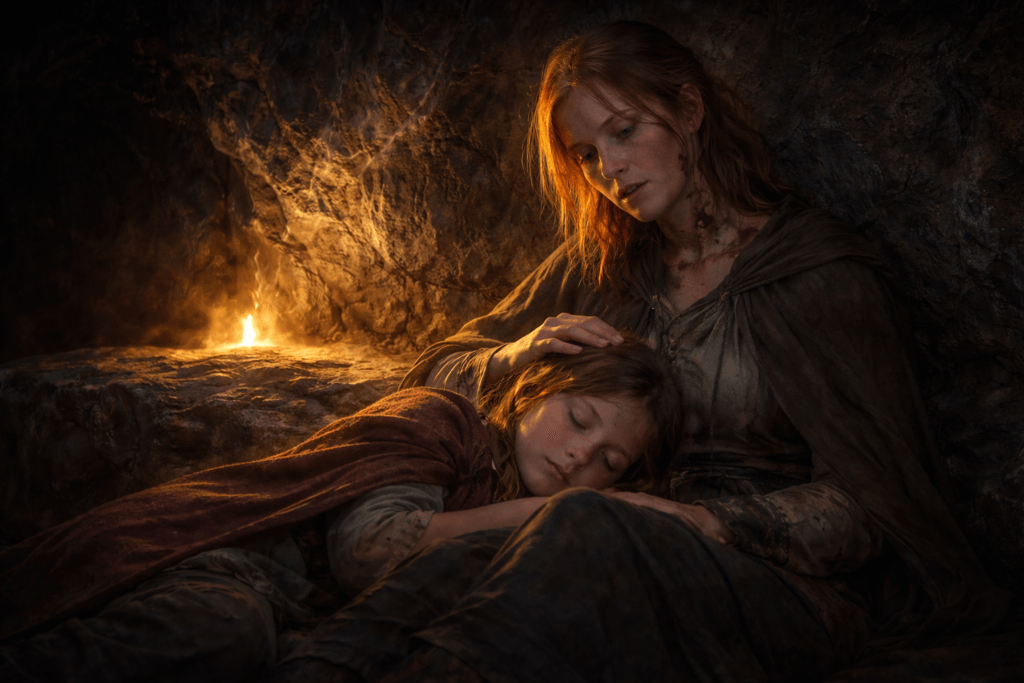
The Lullaby is a song that Louise, Una’s mother, used to sing to put her little monster to sleep. It was telling of the old world, but also the new one. Of her fears as a mother and her hopes as well. It was a tender attempt at control in a world that had lost it all.
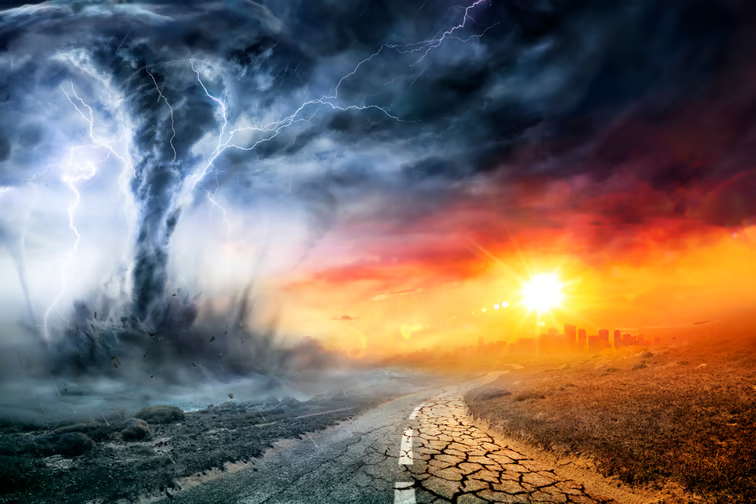
Weather and microclimates rule everything. Ash storms choke districts into silence. Underground lakes breed cold, patient ecosystems. Heat domes trap cities into slow suffocation, while damp corridors cultivate spores, rot, and listening things. Each zone has its own rules of breath, light, and decay.
Across all models, the world does not end. It reorganizes and demands that those who remain decide what they are willing to become to stay alive.
© Copyright 2026 WARRIORS OF THE LAST DAYS All rights reserved Privacy Policy
 Stéphane Roy is a lifelong reader and writer with a deep love for science fiction, apocalyptic worlds, and tightly constructed mysteries. This is his first novel. He lives in the Yukon with his dog and his aquarium, where long winters, silence, and wide, sometimes glowing, skies leave plenty of room for imagining the end of the world, and what might come after it. He is also waiting, with cautious optimism, for the aliens to finally reveal themselves and straighten us all out.