
LOCATIONS BOOK II: THE EXODUS
BOOK II: The Exodus has some of the most compelling and strangest locations in the Montreal arc of the Warriors of the Last Days series.
THE SUMP
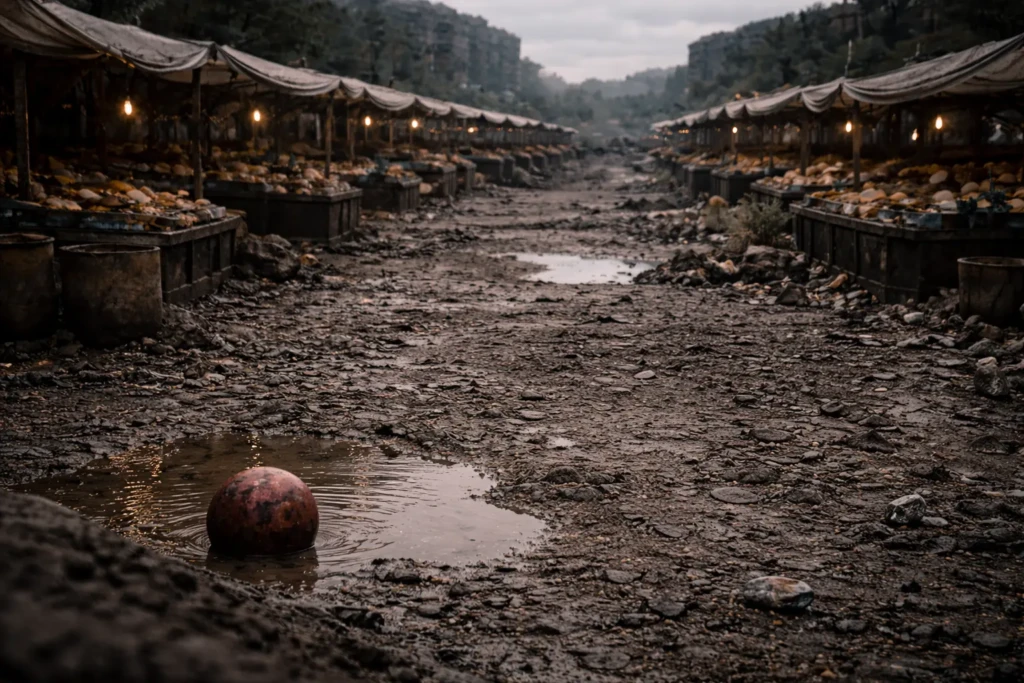
The Sump is a flooded settlement built aolongside the former Décarie highway, where slow brown water swallowed the old highway and forced survivors to adapt or drown. Lantern-lit markets, mutated crawfish traps, scavenged shelters, and improvised engineering projects line the cracked concrete banks beneath the overpasses. Dirty, unstable, and always one disaster away from collapse, the Sump is still one of the few places in the Lowlands where people have begun risking something more dangerous than survival: permanence.

THE STILL
Hidden deep within the Sump’s trenches, the Still produces the settlement’s most infamous export: Shell-Sour. Made from crushed crawfish shells, vinegar, ash and a fermentation process best left undescribed, the operation reeks of ammonia, brine and decay. Few can endure a full shift among the bubbling vats and sweating drums, but the product remains a valuable trade commodity throughout the wasteland, as despite its smell and overall foulness, it will get you stone drunk.
FROST BASIN
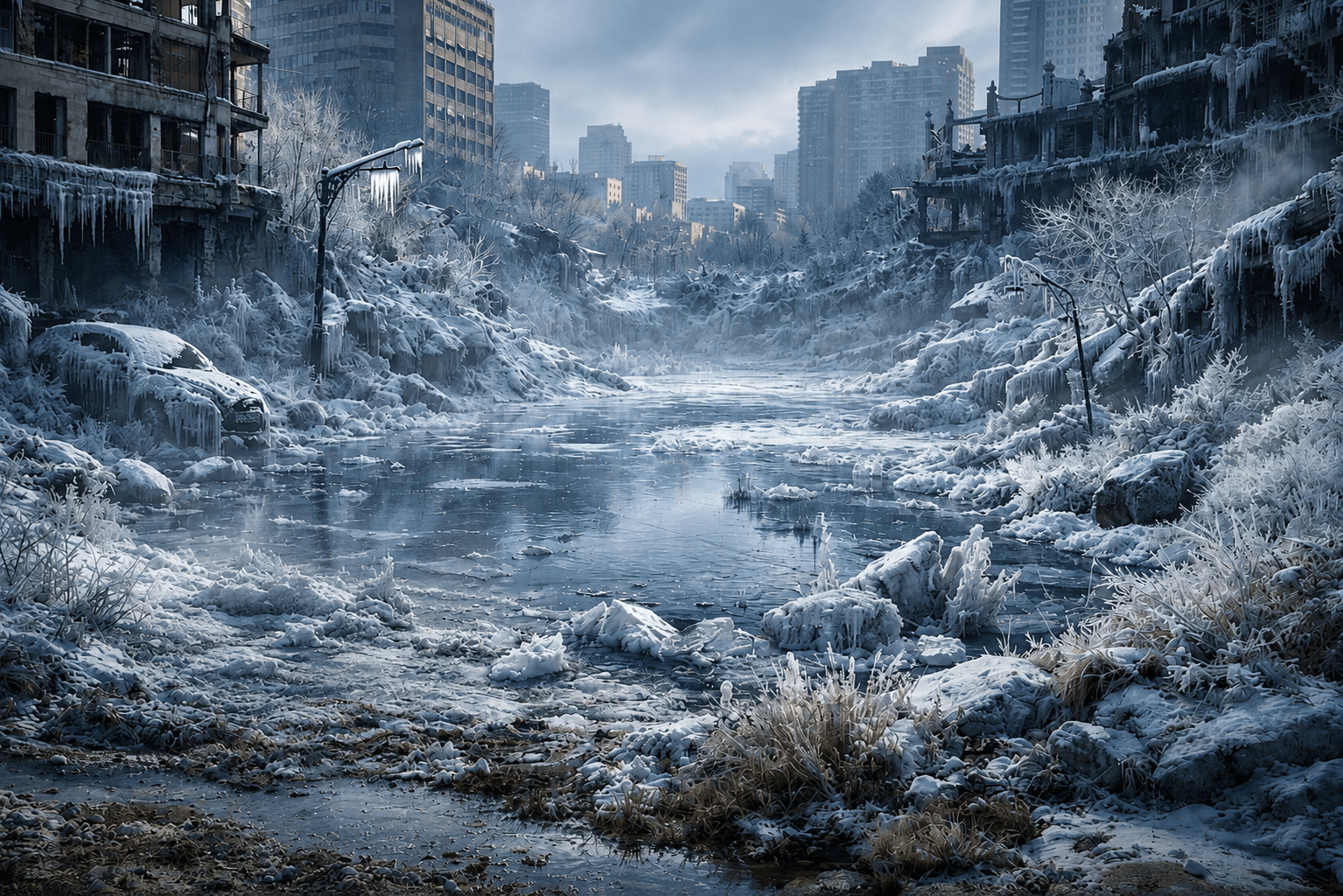
The Frost Basin is a frozen microclimate pocket north of the Sump where winter never fully releases its grip. Cold air settles permanently into the ruined lowlands, coating broken highways and flooded structures in layers of ice even during warmer seasons elsewhere in the city. Frost creeps across concrete like crystal rot, visibility collapses without warning in sudden whiteouts, and the silence carries unnaturally far through the frozen air. Few people cross the Basin willingly. Those who do speak of preserved bodies trapped beneath the ice and shapes moving beneath the snow long after the wind has stopped.
THE ROPE BRIDGE
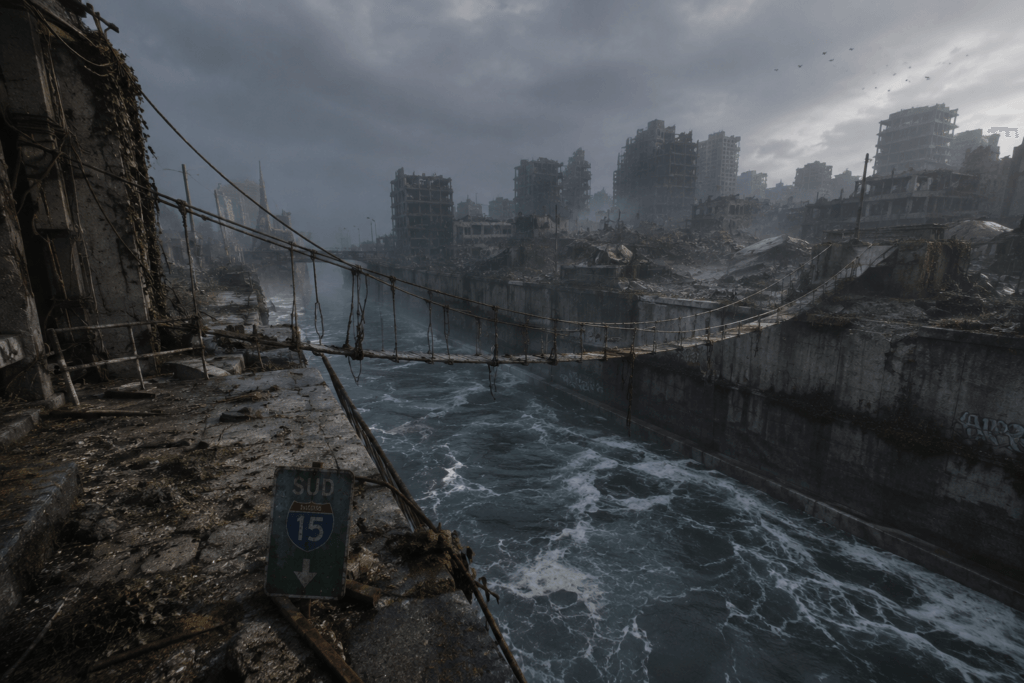
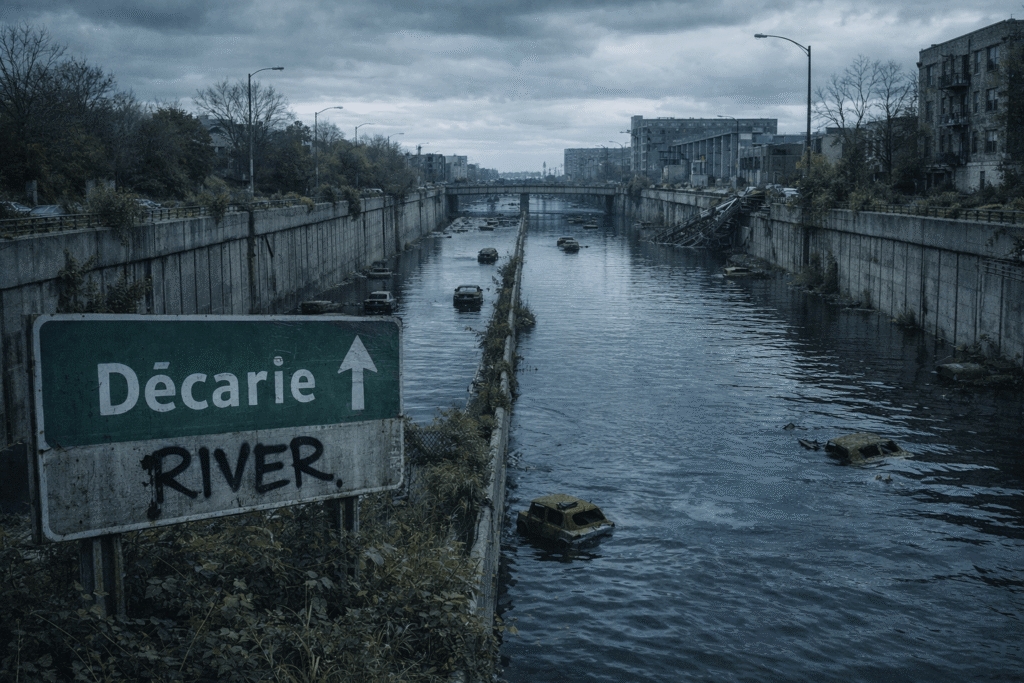
The Décarie River cuts through the ruins like a canyon, its fast-moving waters trapped between the concrete walls of the old expressway. For years, the crossing was impossible. Now, a single frayed rope bridge spans the chasm. Built by desperate scavengers from salvaged cables and climbing rope, the crossing sways violently above the rushing water below. There are no planks, no safety rails, only a thick central rope and a web of weathered lines to cling to. Crossing it is terrifying, but for many travelers, it is still safer than trying to descend into the river itself.
THE DÉCARIE TRENCH
The Décarie Trench, called the Décarie River by those who live beside it, is the flooded scar of Montréal’s old highway system, where brown current now flows through cracked lanes buried beneath mud, wreckage, and collapsed overpasses. Once a dead transit corridor, the trench became one of the Lowlands’ few growing settlements after the floods transformed it into a source of water, crawfish, and trade.
THINNER GROUNDS
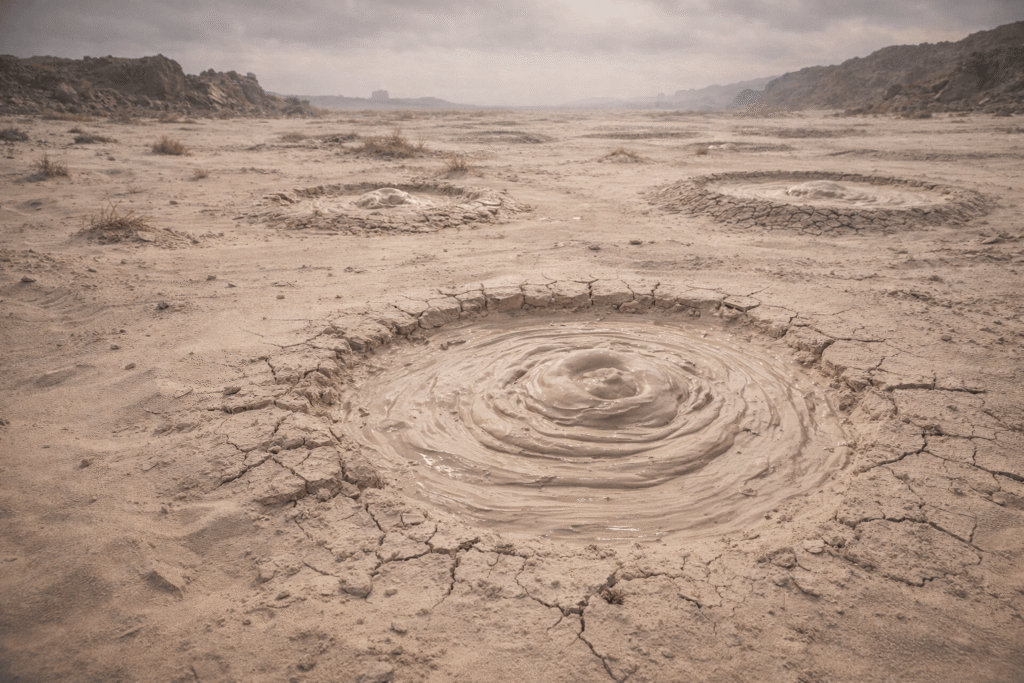
The Thinner Grounds lies further northeast of the Lowlands, a region where the earth itself behaves wrong. Saturated with chemical runoff, pulverized limestone, and decades of unstable seepage, the terrain moves like a living non-Newtonian fluid: solid one moment, liquid the next depending on pressure and movement. Walking across it becomes exhausting and dangerous, every step sinking just enough to trap momentum and drain strength. Entire structures lean slowly into the unstable surface while abandoned vehicles rest half-consumed beneath the pale slurry. The faster someone struggles, the deeper the ground seems to pull them in
HEAT BASIN (AKA THE TRIANGLE)
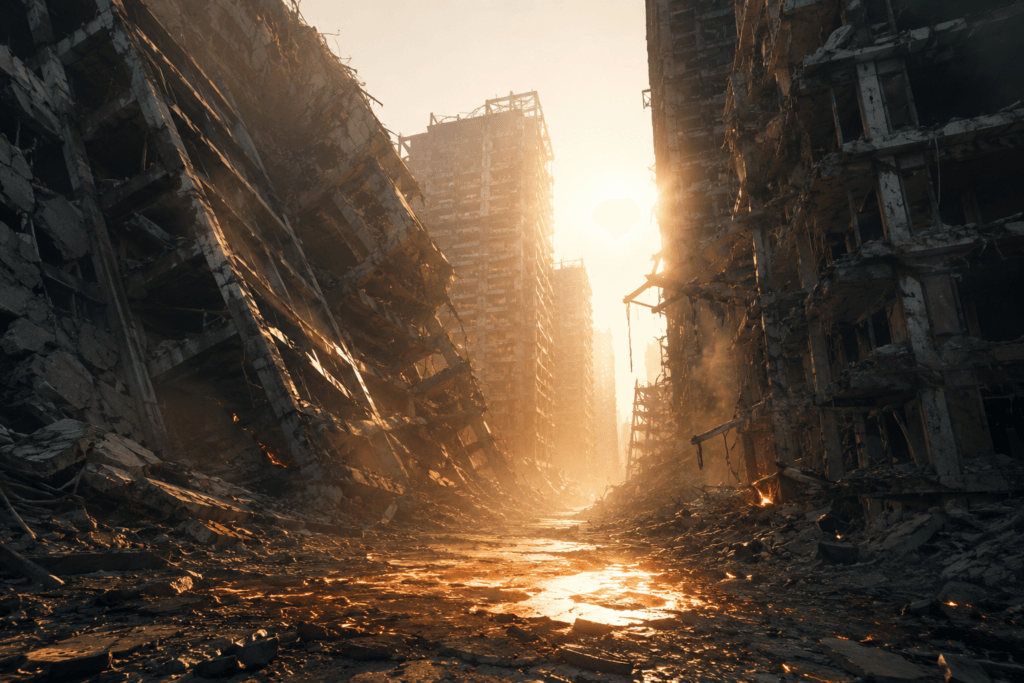
Once a cluster of modern high-rises, the Triangle became something else after the Collapse. Tower after tower failed at odd angles, leaving walls of glass, steel, and concrete positioned like giant mirrors around a central corridor. Sunlight enters from above and ricochets between the ruins, concentrating into a blistering heat trap that can reach lethal temperatures by midday. The crossing is short but infamous. Travelers move through at dawn, cover exposed skin, and never linger. Even on cool days, the air shimmers, metal burns to the touch, and the ground radiates heat long after sunset.
THE TAR PIT
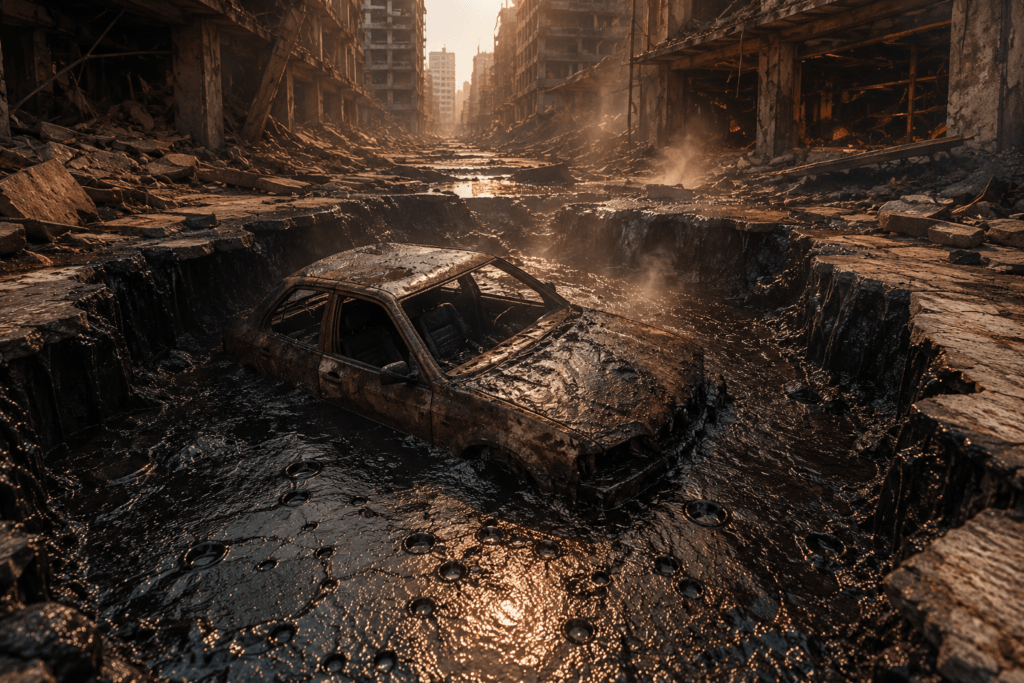
Deep within the Triangle, the heat becomes intense enough to soften the city itself. Asphalt melts and collects in low-lying streets, forming thick black pools contained by broken curbs and collapsed sidewalks. Rusted vehicles, their tires long since liquefied, slowly sink beneath the surface year after year. The pits release waves of shimmering heat and the sharp scent of petroleum, turning even a brief crossing into an exhausting ordeal. Most travelers move quickly and avoid the darkest pools. Some have no visible bottom.
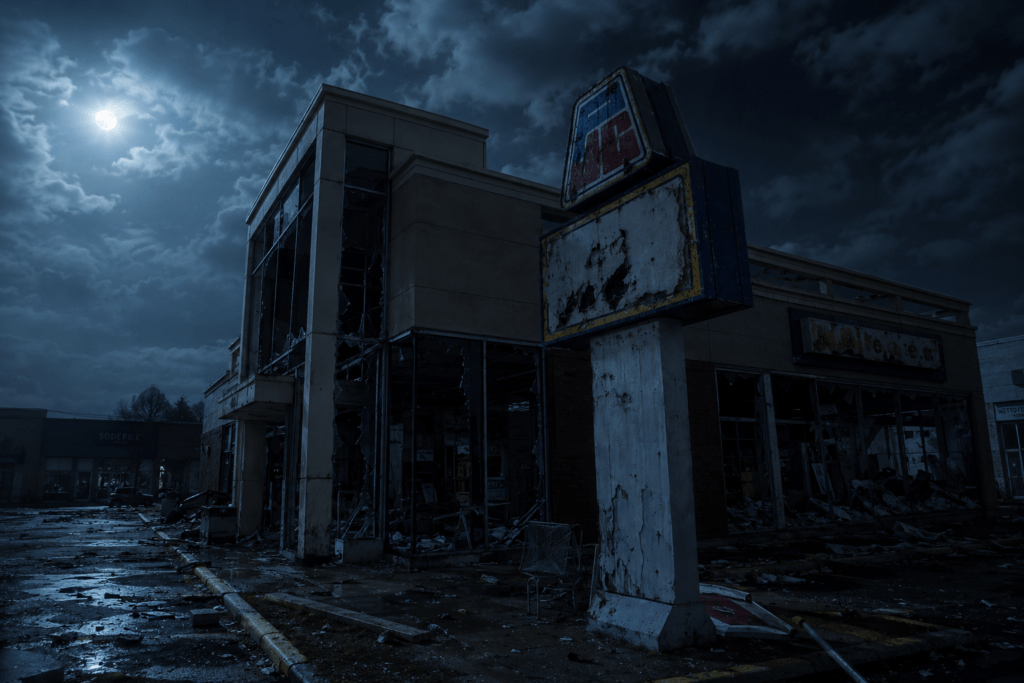
THE PJC
The old PJC pharmacy has been picked clean so many times that few people bother stopping anymore. Part of the roof has collapsed, most of the windows are shattered, and wind whistles through the aisles day and night. Birds nest in the ceiling, raccoons den in the back rooms, and every shelf bears the marks of countless scavengers.
Still, determined searchers occasionally strike gold: a forgotten roll of cheap bandages, a dusty box of plasters that barely stick, or a bottle of hydrogen peroxide so far past its expiration date that it has long since become little more than water. In the wasteland, even junk has value.

ASH DUNES
What looks like solid ground is anything but. The ash fields shifts under every step, collapsing, flowing, and erasing all traces of those who cross them. Progress becomes a battle of calculation rather than distance, where water, strength, and judgment matter more than speed. The land offers no landmarks, no certainty, and no forgiveness. By the time they reach firmer ground, the ash has swallowed their tracks, their mistakes, and any proof of what the journey demanded from them.

HABOOB
Once the heart of northern Montréal, the Crémazie–Jarry sector is now a sea of vitrified sand and shattered concrete, one of the most treacherous locations in all the city. Extreme heat, altered weather patterns, and the collapse of the urban landscape have created a permanent haboob microclimate. Towering walls of dust can appear with little warning, reducing visibility to only a few metres while abrasive sand scours flesh, equipment, and exposed structures alike. Survivors caught in the open often disappear without a trace, swallowed by storms that can last for hours, or days.
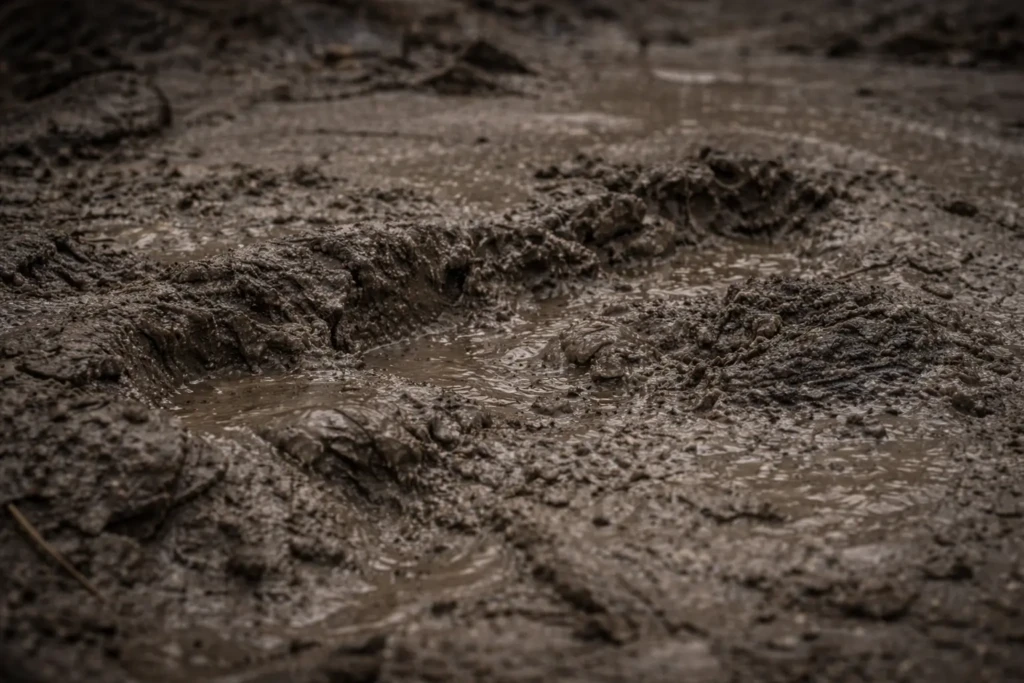
QUICKSANDS
The Quicksands are a shifting stretch of unstable ground north-east of the Lowlands where floodwater, chemical runoff, and pulverized concrete turned entire neighborhoods into deep fields of liquefied earth. What looks solid can swallow a person in seconds. Roads collapse without warning, buildings lean half-submerged at impossible angles, and rusted vehicles protrude from the mud like fossils caught mid-sinking. The surface constantly reshapes itself after storms, making maps useless and familiar routes deadly. Travelers move through the Quicksands lightly, probing each step, knowing the ground itself has become another predator.
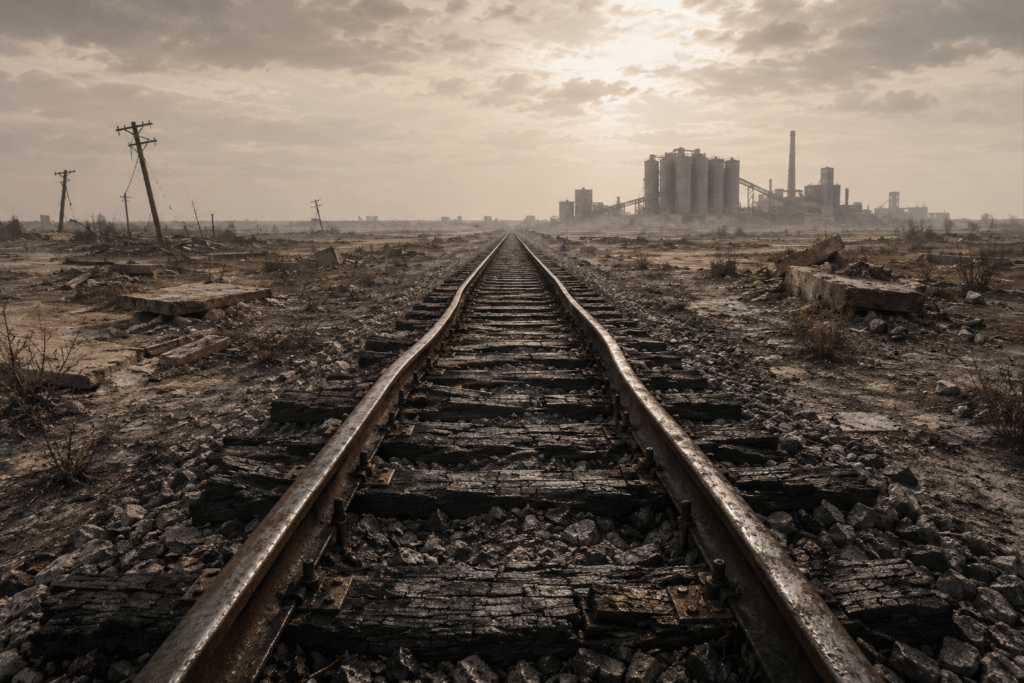
THE BELT LINE
Steel laid down with intention survives where everything around it fails. Two rails carry east through a stripped landscape, rising and dipping in shallow distortions left by heat and time. The ties are burned black, the ballast sharp and unwelcoming, yet the line persists, unbroken, indifferent, directional.
For a group crossing dead ground on foot, it is no longer infrastructure. It is certainty. A path that refuses to disappear.
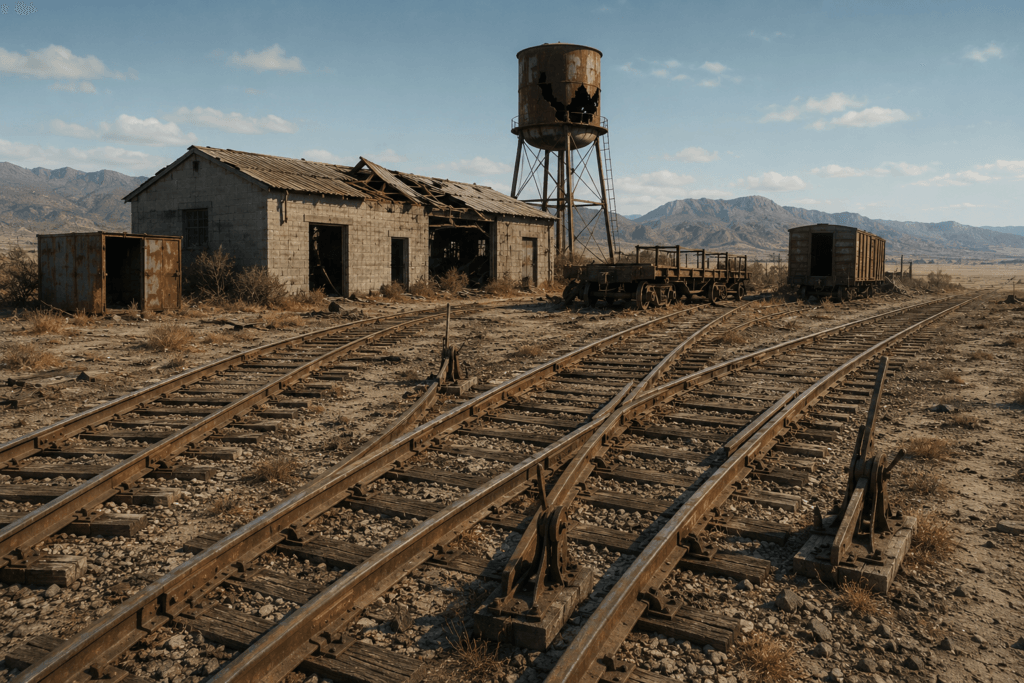
THE WAY STATION
A forgotten maintenance yard along the Belt rail line, the Way station offers shade, shelter, and a rare chance to rest. A collapsed cinder-block shed, a breached water tower, and rusting railcars are all that remain of its former purpose. Yet travelers rarely stay long. At the far end of the switching yard, where abandoned tracks converge, something has wrapped itself around the rails and left behind clusters of immense cocoons. Those who know the line understand that whatever made the Way station its home may not be finished with it.
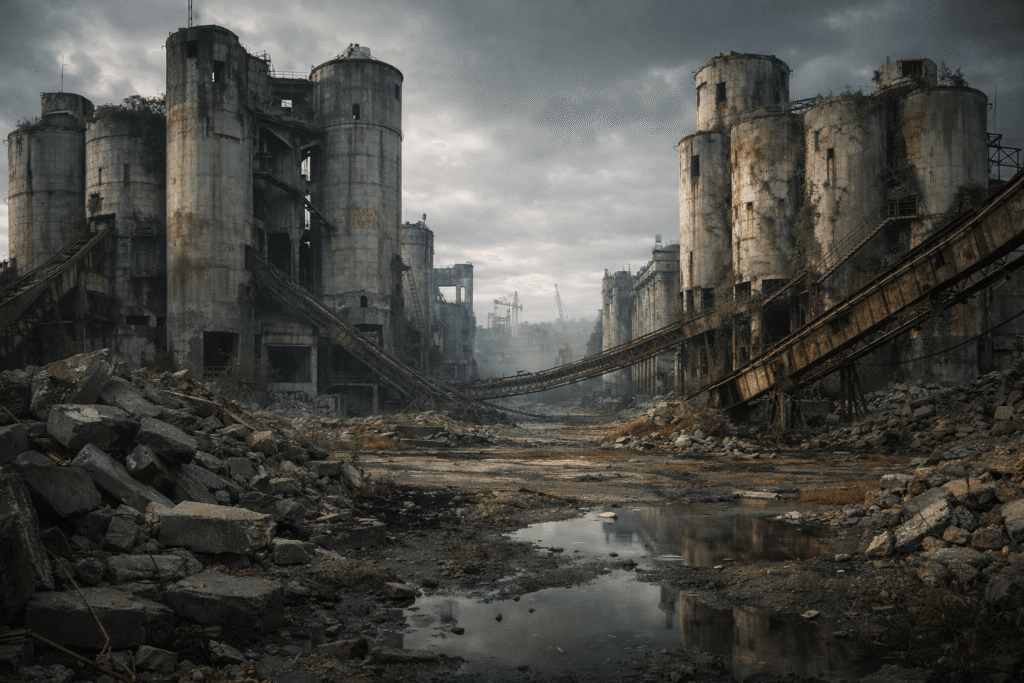
THE CONCRETE FACTORY
The Concrete Factory is the skeletal remains of a massive industrial complex where broken silos, collapsed conveyor systems, and rusted machinery still groan in the wind. Old concrete dust, clinging and caustic, prevents it from being used long term as a shelter. The silos are also a hazard, with the dust able to ignite under the slightest provocation.
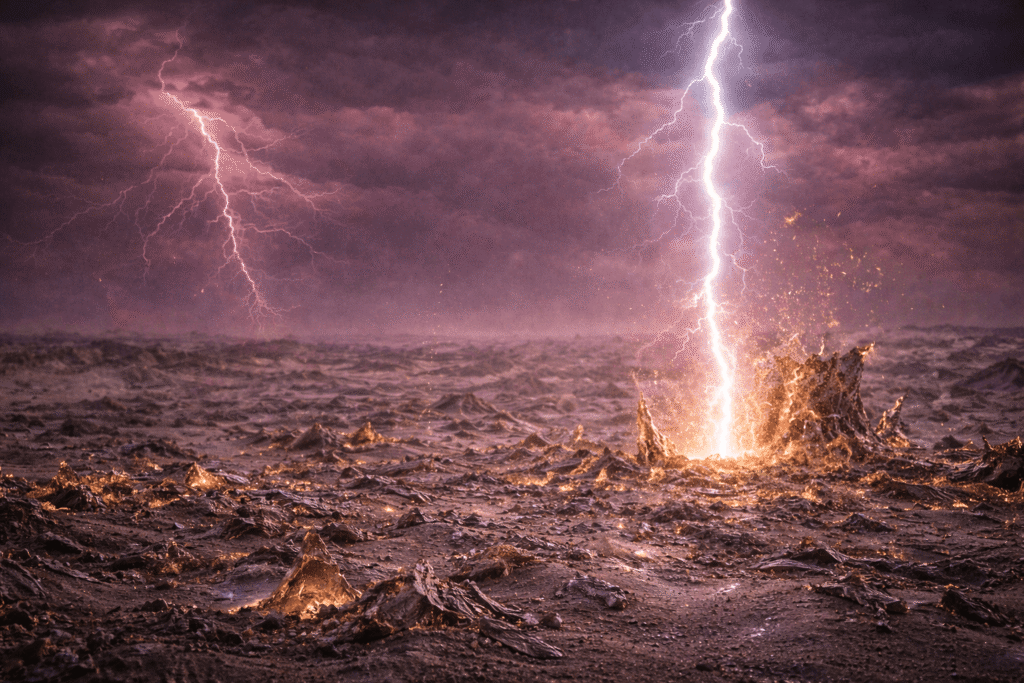
THE GLASTORM
A violent microclimate deep within the wastelands where perpetual lightning storms hammer a growing desert of ash and chemical sand. Bolts strike constantly across the open flats, fusing the ground into rivers and pools of molten glass that cool into jagged black formations before shattering under the next impact.
The air smells of ozone and burnt minerals, and the horizon flickers day and night with branching blue-white light. Travelers caught inside the storm risk being blinded, electrocuted, or trapped on islands of cooling glass while the desert reshapes itself around them.
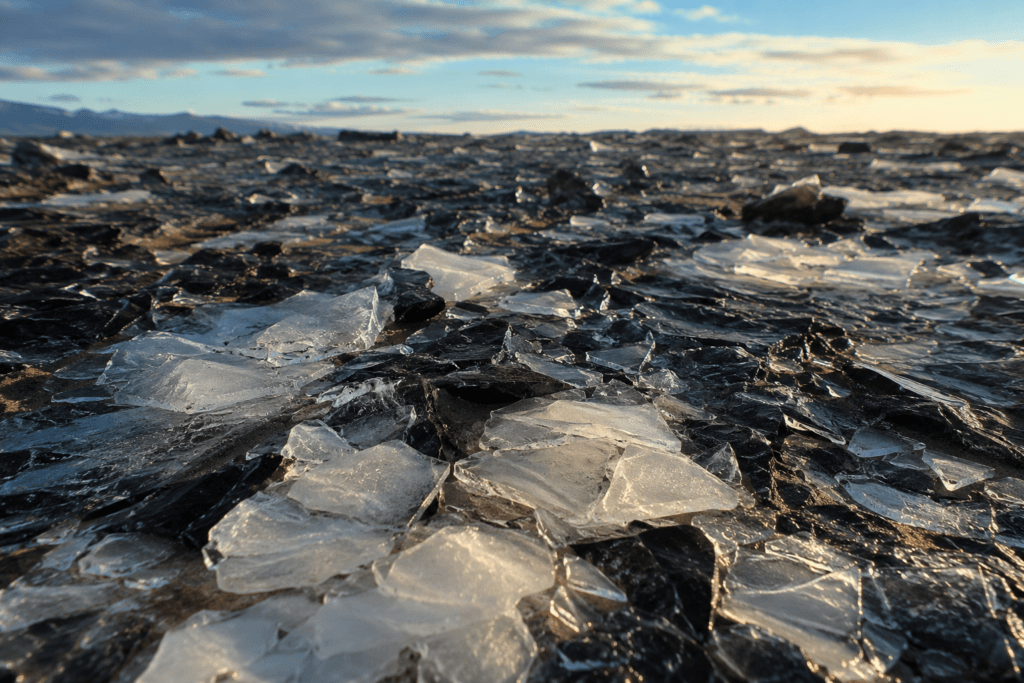
THE FROSTED FLATS
A wasteland forged by storms. Over countless seasons, lightning struck the same stretch of sand again and again, melting it into sheets of glass before wind and abrasion weathered it into something stranger. Black obsidian-like crusts spread across the flats, fractured by fields of pale, frosted glass worn smooth as sea glass.
The result is a shimmering landscape of dark mirrors and ghost-white expanses, where sunlight scatters in every direction and temperatures swing sharply between day and night. Few creatures cross the Frosted Flats willingly, and fewer still linger beneath skies that seem eager to repeat the process.
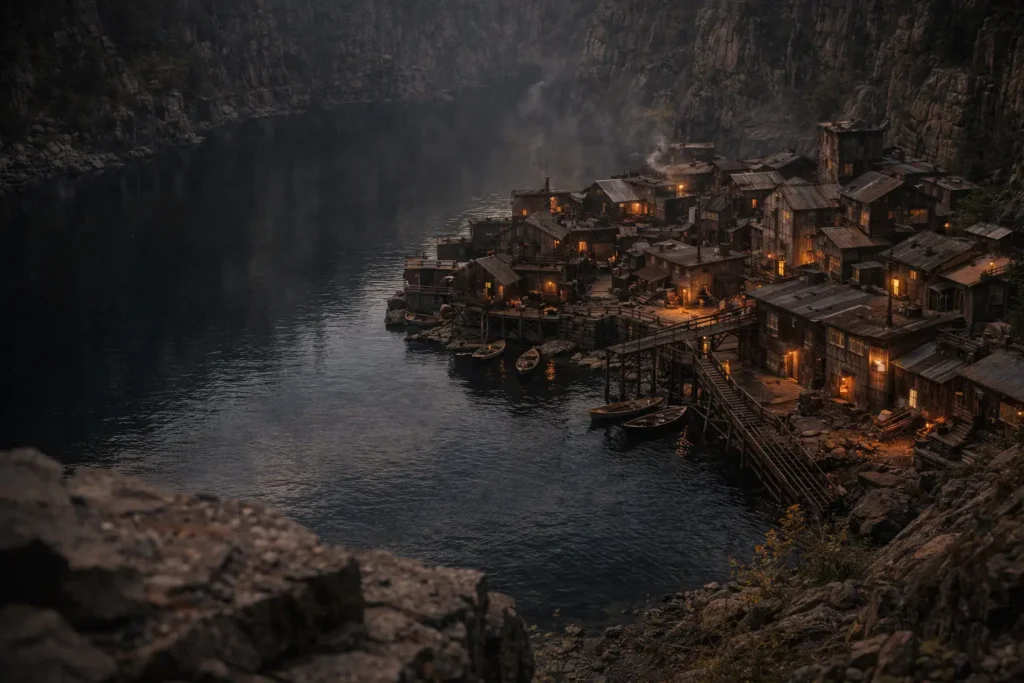
THE FRANCON QUARRY VILLAGE
The Francon Quarry Village clings to the edges of the vast limestone quarry northeast of Montreal, where survivors carved homes, workshops, and defensive walls directly into the stone terraces left behind by decades of excavation. Dust hangs permanently in the air, coating skin, tools, and lungs alike, while narrow pathways wind between scavenged structures bolted into the quarry walls.
The Village survives through stonework, salvage, fishing giant sturgeons in the black lime water lake and strict control of its limited fresh water reserves, but its exposed position makes it vulnerable to raids, sieges, and the distant pressure of the Stadium’s expanding influence. It remains one of the very sought after locations in the city and where the climax of Book II: The Exodus, happens.
THE FRANCON FOREST
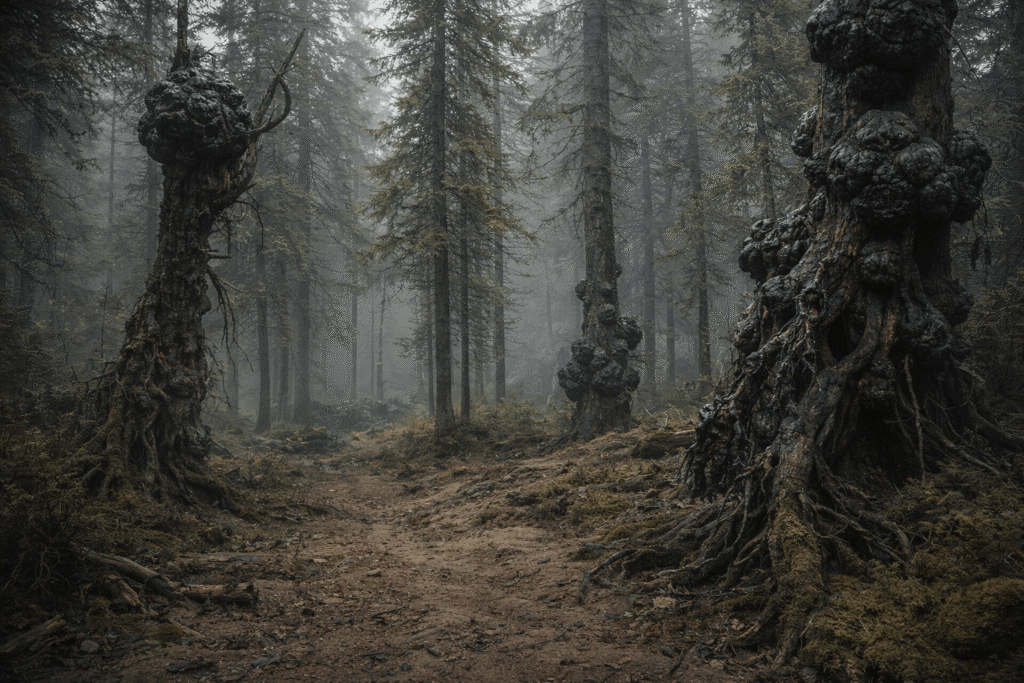
The Francon Forest spreads across the overgrown limestone lands surrounding the old quarry, a dense wilderness where twisted roots crack through abandoned industrial roads and pale stone shelves emerge beneath the trees like exposed bones.
The forest grows unevenly, fed by mineral-rich runoff and unstable weather patterns that leave sections unnaturally lush while others stand dead and silent. Fog settles low between the trunks, muffling distance and distorting sound, and travelers often lose their sense of direction beneath the heavy canopy.
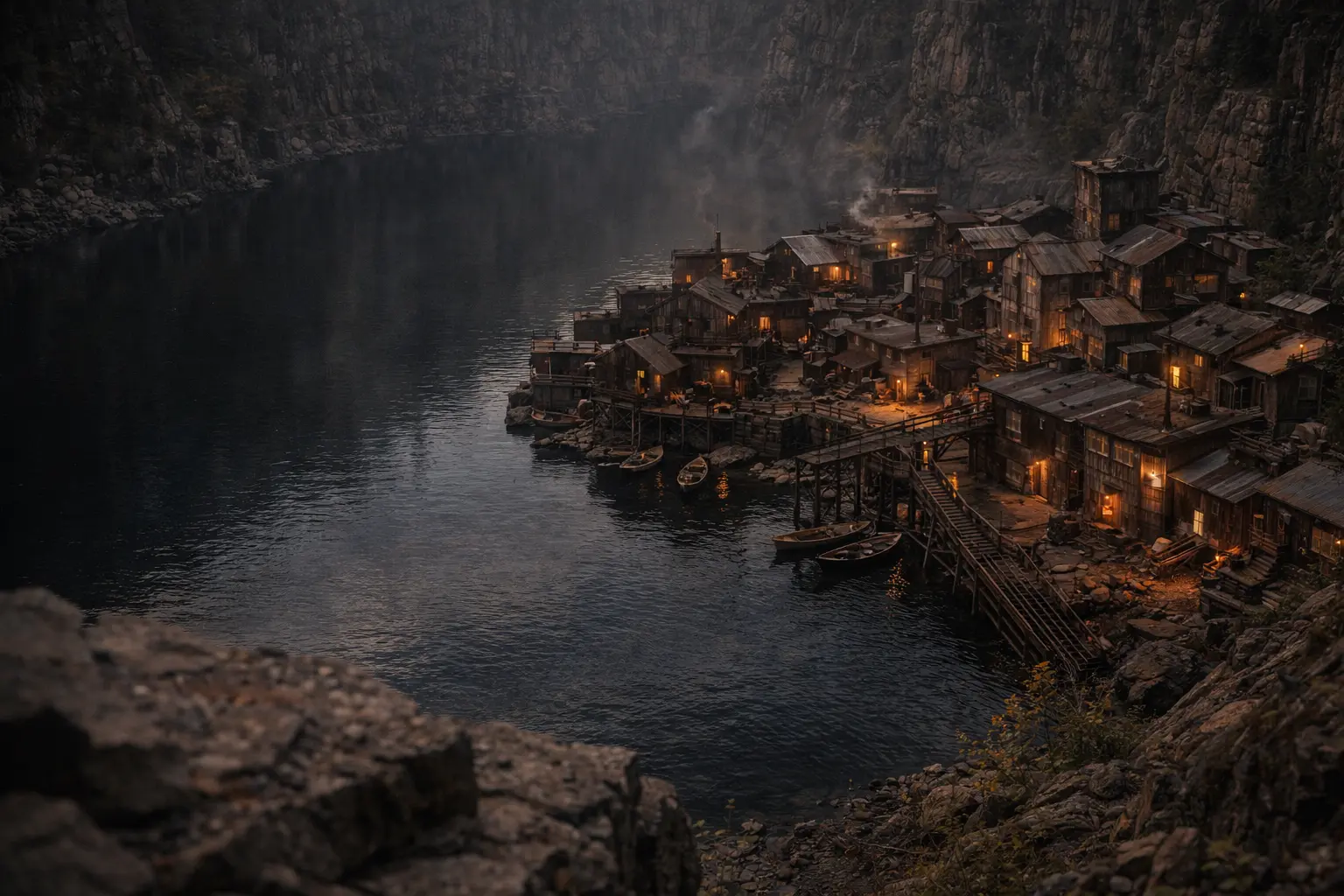
Anjou-sur-le-Lac
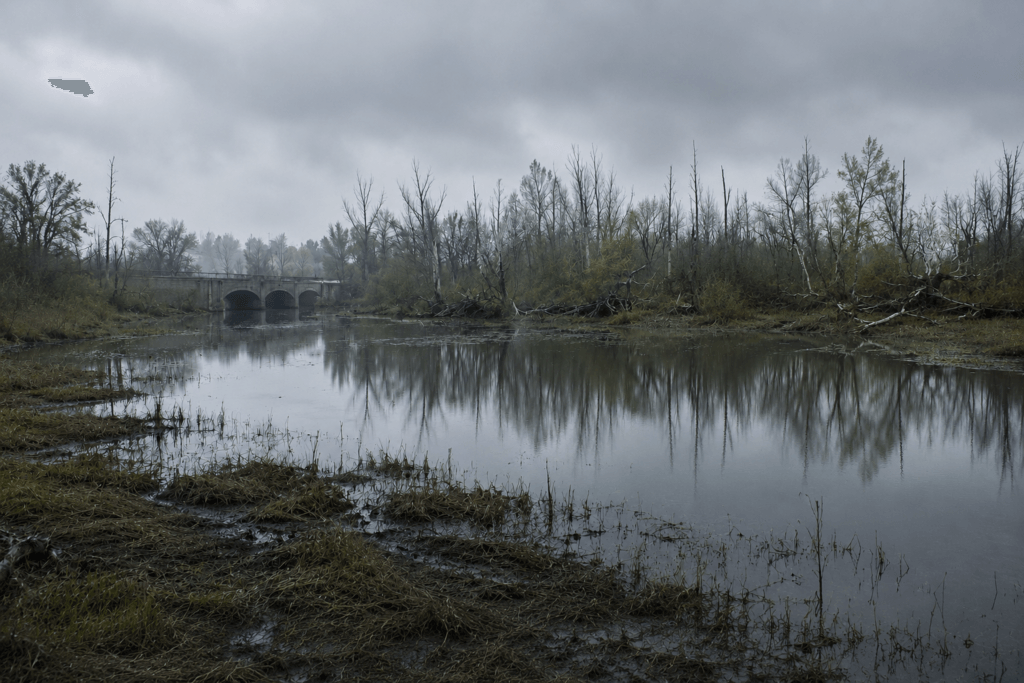
The water lies still beneath a forest that grows by rules no one understands: birch trees split open like old wounds, roots push through the soil as if trying to escape, and stands of spruce die where they stand, their rust-brown needles clinging to branches decades after death.
Life persists along the shoreline, where repaired docks, patched boats, and carefully tended fires mark one of the few stable settlements in the region, its people coexisting with the wrongness beneath their feet, drawing water, fishing the lake, and watching the forest for signs the corruption is still spreading. It is one of the most promising locations in the city.
 Stéphane Roy is a lifelong reader and writer with a deep love for science fiction, apocalyptic worlds, and tightly constructed mysteries. This is his first novel. He lives in the Yukon with his dog and his aquarium, where long winters, silence, and wide, sometimes glowing, skies leave plenty of room for imagining the end of the world, and what might come after it. He is also waiting, with cautious optimism, for the aliens to finally reveal themselves and straighten us all out.