 A dystopian novel series set in post-nuclear Canada A dystopian novel series set in post-nuclear Canada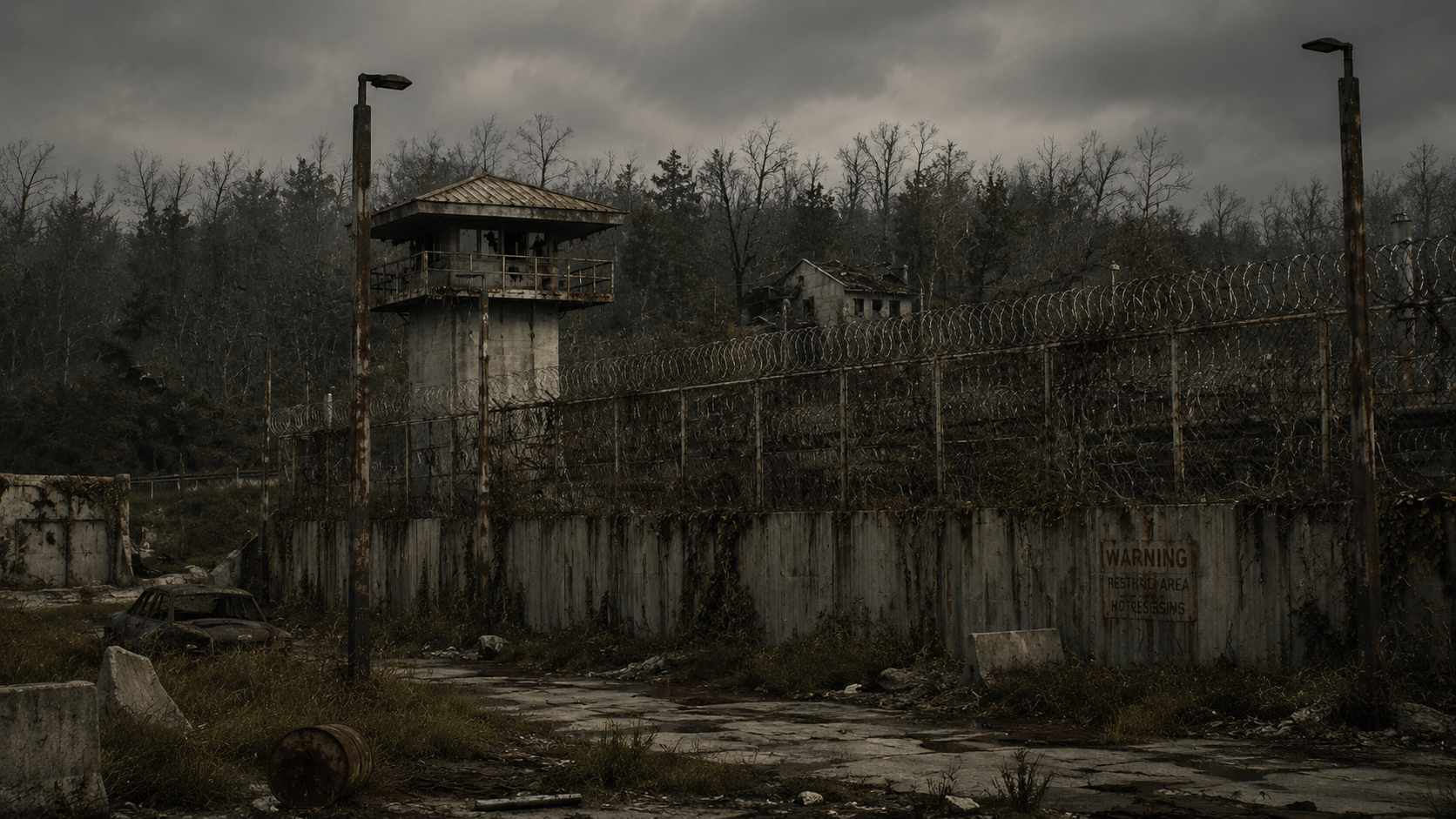
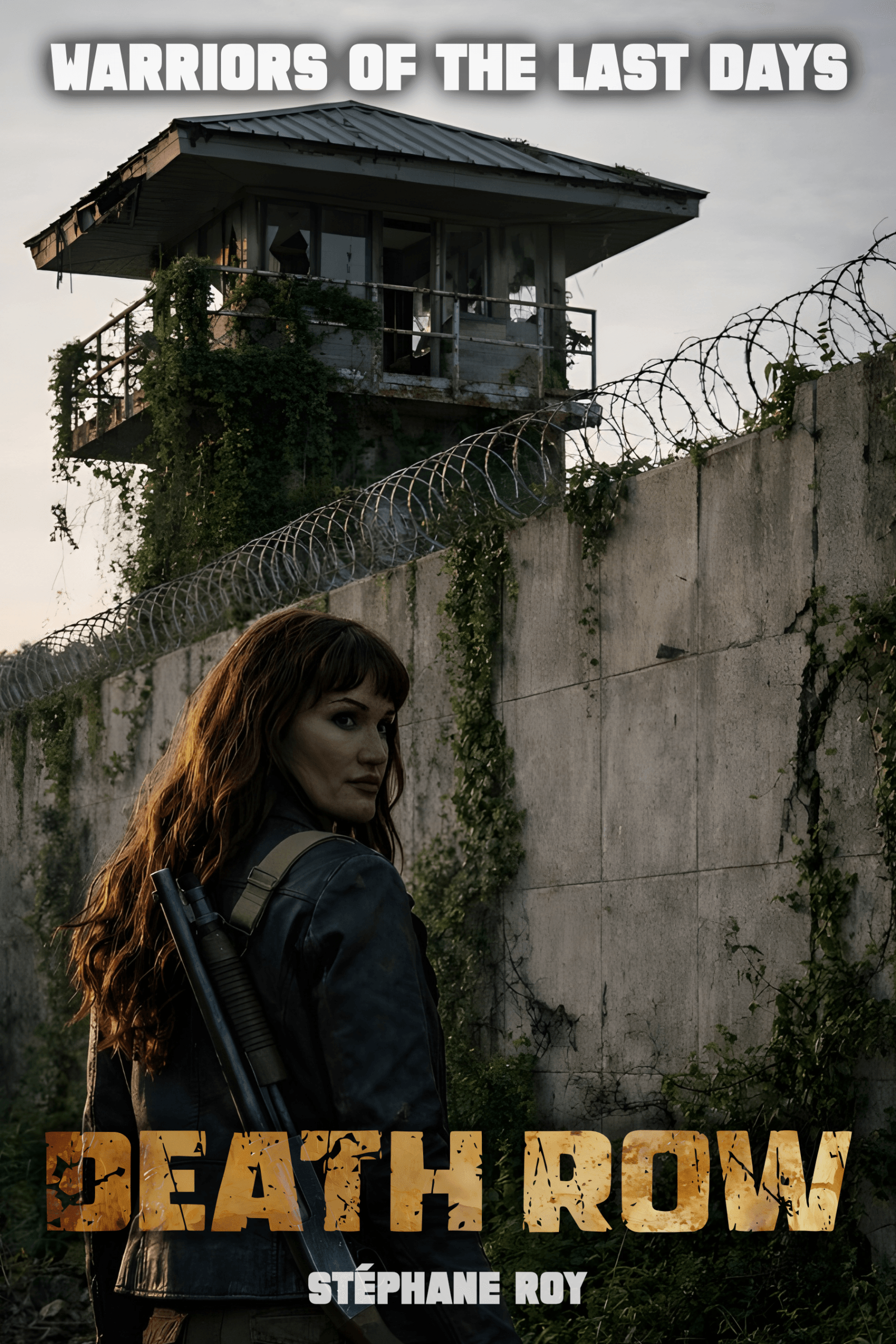
Follow Nomi as she tries to bail her wrongly imprisoned husband Clarence from an Ontarian supermax prison after the prisonners have been abandoned...
After the Light, Millhaven Institution is sealed. The guards are gone. The inmates remain. Nomi hasn’t heard from her husband Clarence in five months. He went undercover inside for eight weeks. He’s still there. Inside, they now call it Death Row. Nomi’s coming to get him out.
What she finds in the corridors is worse than secluded organized crime. The fungus is spreading. The infected still have their minds, trapped in bodies they can’t control, desperate for blood and iron. They’re not mindless killers. They’re aware the whole time. The Death Row situation just escalated a notch.
To reach Clarence in solitary, Nomi has to move through a population of people who are slowly becoming something else. She has to negotiate with a criminal named Cobb who reads situations the way she does. She has to decide how many people she’s willing to leave behind.
Roy helps her. Roy owes Clarence a debt from three years ago. Roy knows the building better than anyone alive.
Some people come back alive. Some people engineer their own ending.
For additional context, you should also read (prior to the novel, ideally) the following short stories:
CLARENCE: The short story Clarence serves as a prequel to Death Row. The story explores a question common to prison fiction yet rarely examined in post-apocalyptic narratives: Who was the prisoner before imprisonment? Clarence’s journey examines how a man ultimately found himself incarcerated in a Canadian maximum-security institution before the arrival of the Light. More importantly, it explores why. Understanding the origins of incarceration often reveals as much about society as it does about the inmate.
NOMI: The second prequel, Nomi, bridges the period between the apocalypse and the events of the novel itself. Months after civilization collapses, Nomi arrives outside the walls of a maximum-security prison carrying a shotgun and a singular purpose: to free her husband. It is a striking reversal of conventional prison narratives. Usually, prison stories begin with confinement. Nomi begins with a voluntary attempt to enter one of the most dangerous places left on Earth. Outside the walls lies an irradiated, shattered Canada. Inside waits a prison population abandoned for months. The question is not simply whether she can get in. It is whether she can survive what she finds there.
A dystopian novel series set in post-nuclear Canada Stéphane Roy is a lifelong reader and writer with a deep love for science fiction, apocalyptic worlds, and tightly constructed mysteries. This is his first novel. He lives in the Yukon with his dog and his aquarium, where long winters, silence, and wide, sometimes glowing, skies leave plenty of room for imagining the end of the world, and what might come after it. He is also waiting, with cautious optimism, for the aliens to finally reveal themselves and straighten us all out.