
BISAC CATEGORIES BY TITLE
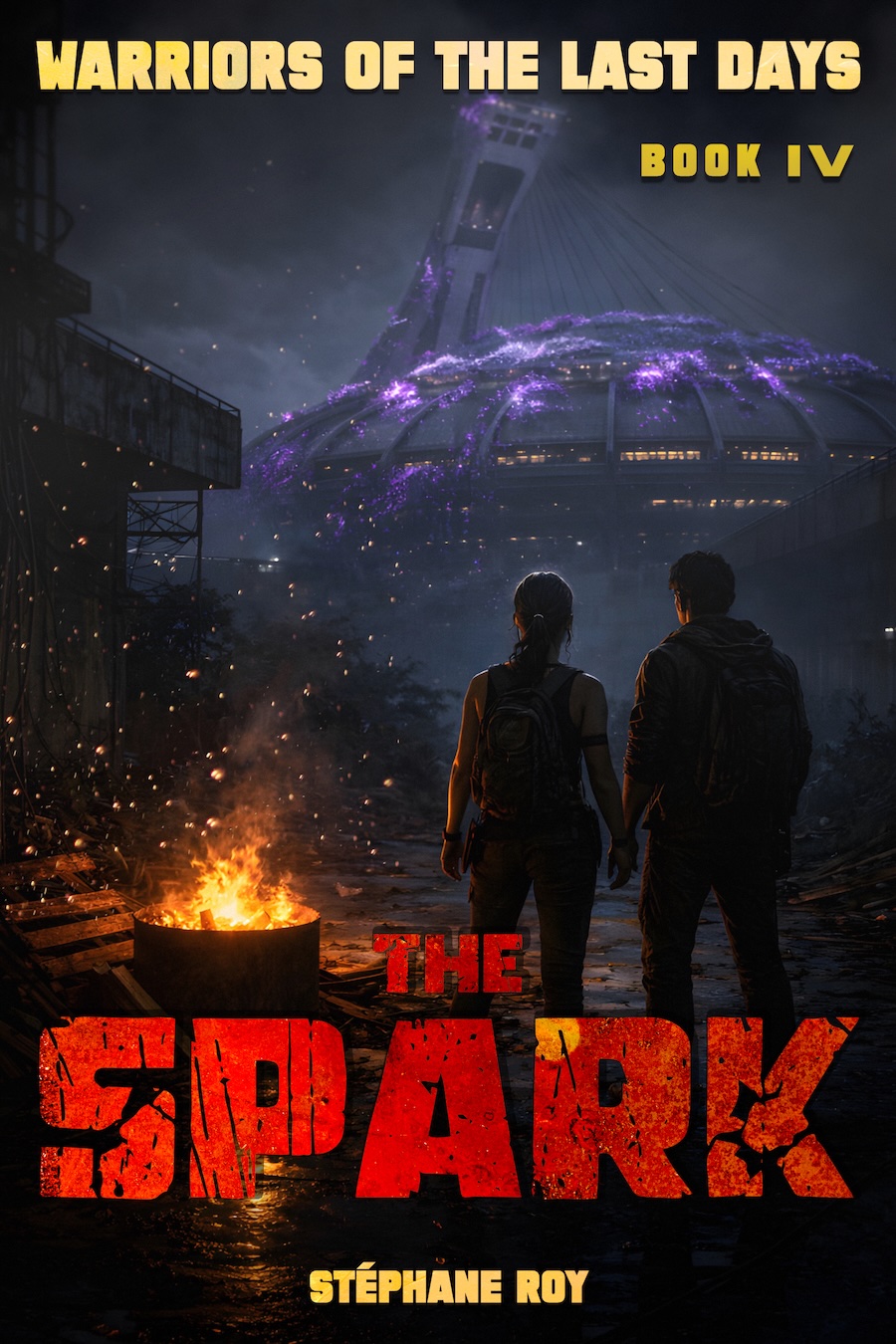
Corresponding BISAC categories for all the novels. Most are in the main category Dystopian, but several secondary categories change. depennding on the book, so here is a good way to get all the possible categories for those in need of them.
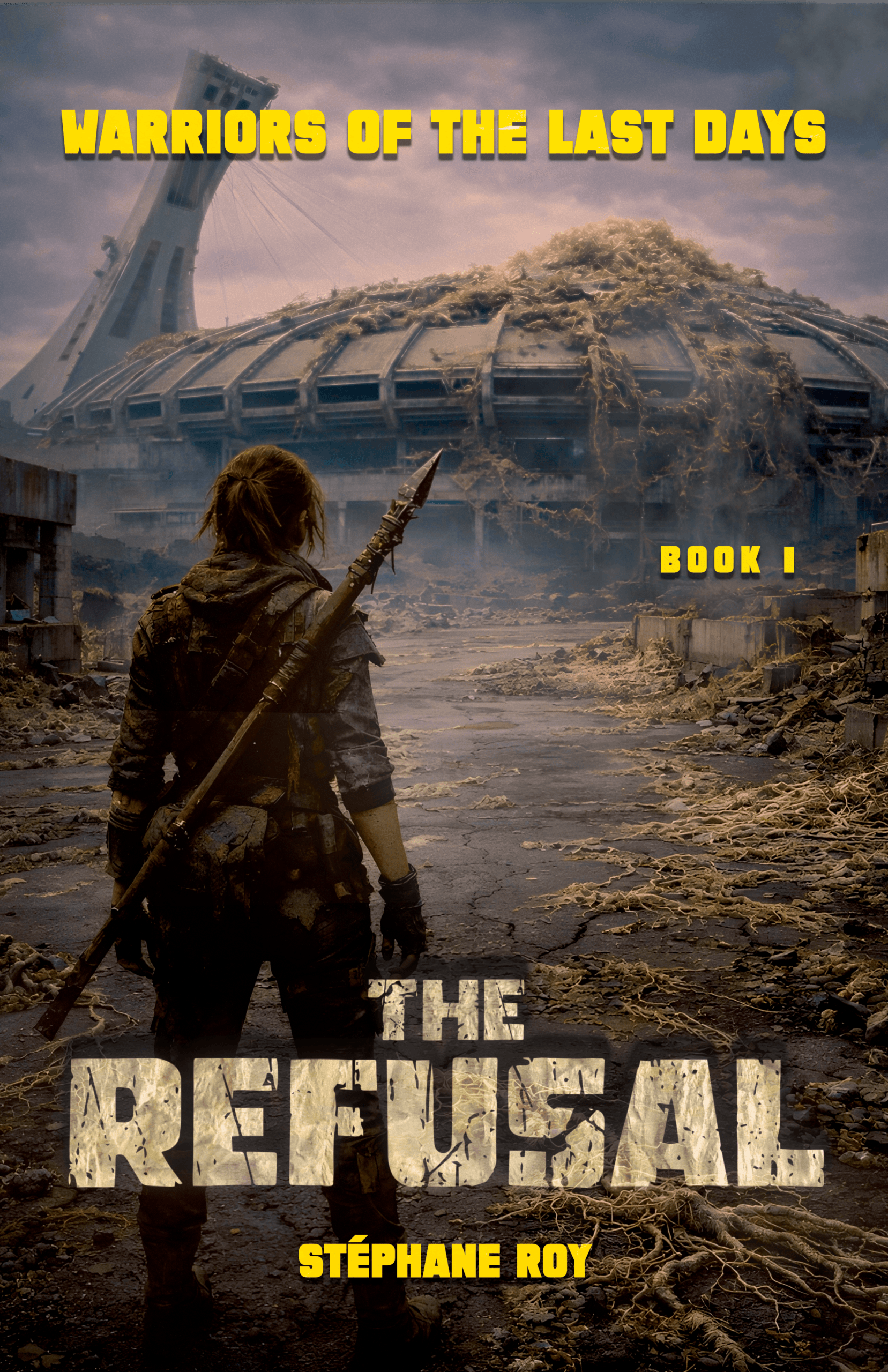
Top BISAC Categories:
1) FICTION / Dystopian
Rationale: Core classification for novels set in organized, post-collapse societies focused on systemic control, ritualized governance and societal decline. Best fit for books emphasizing world-building, social systems (RESO), and moral/societal critique.
2) FICTION / Science Fiction / Post-Apocalyptic & Survival
Rationale: Emphasizes the survival elements, technical/structural collapse, mutant fauna and engineered environmental events (flooding, reservoirs, systemic pressure). Targets readers who expect speculative technology and infrastructure-driven conflict.
3) FICTION / Horror / General (or FICTION / Horror / Speculative)
Rationale: Captures the ecological / mycelial horror, body-horror creatures (Glowers, Purge Grubs, Acedian), and the novel’s sustained dread and grotesque imagery. Useful for horror readers who like weird/ecological horror.
Why these BISAC choices:
- Primary genre is dystopian/post-apocalyptic (social systems, trials, canonization).
- Strong survival and speculative-technology elements justify a Science Fiction/Post-Apocalyptic BISAC.
- The book’s persistent body/ecological horror and ritualized violence make Horror a relevant secondary category for cross-market reach.
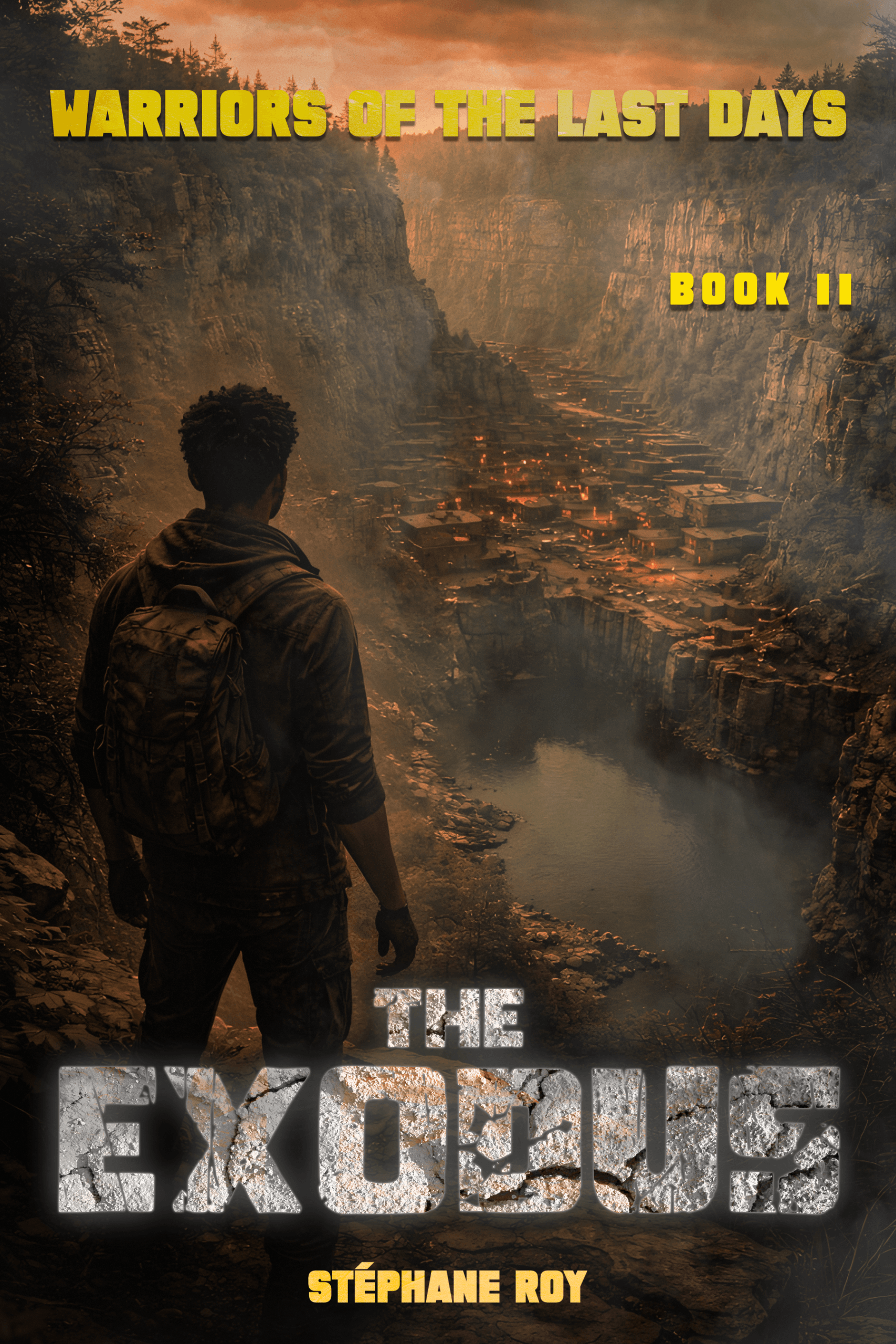
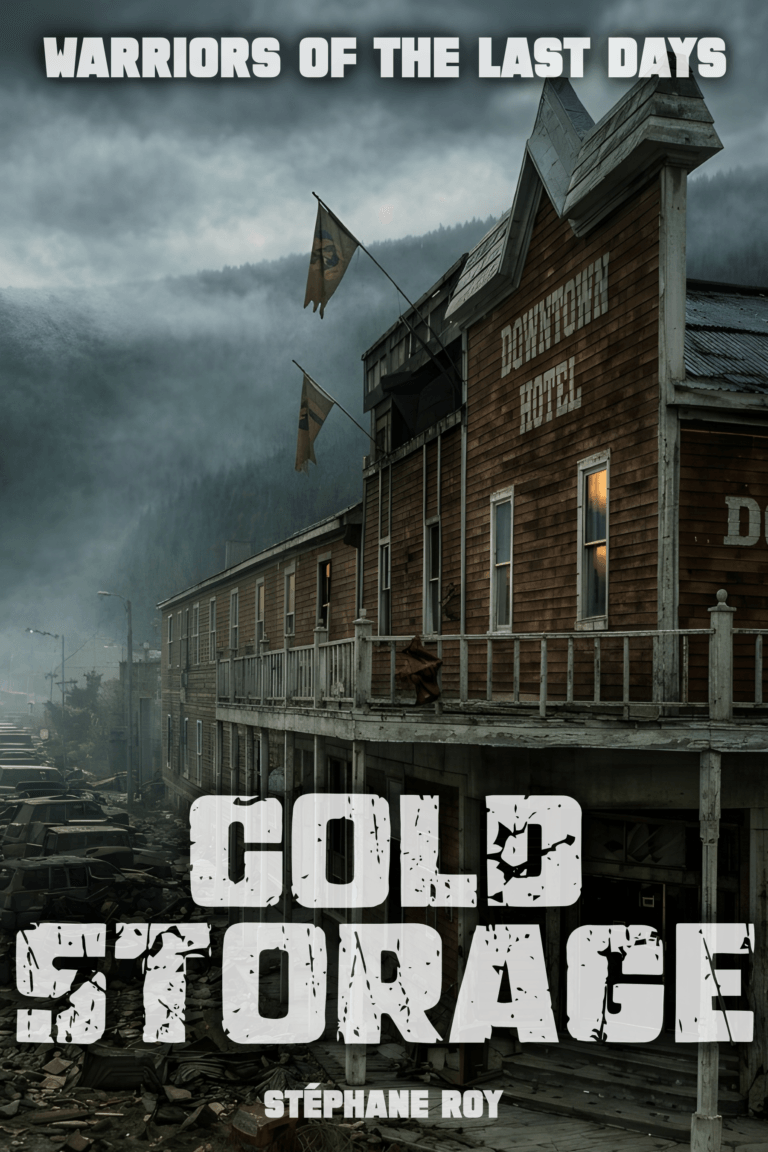
Top BISAC Categories
1) FIC009080 — FICTION / Science Fiction / Dystopian
This is the strongest single category. The manuscript foregrounds a collapsed/controlled society, systemic failure, and large-scale social engineering: the Sump’s withheld arbitration and the Sump-as-system, the slow, pervasive withdrawal of infrastructure and its human consequences. The recurring motifs of layered control, population processing, and the moral mechanics of communal survival (e.g., the lake sacrifice, the quarry’s maintenance rituals) place the work squarely within dystopian science fiction.
2) FIC009070 — FICTION / Science Fiction / Post-Apocalyptic
Closely allied to dystopia, this book is also post‑catastrophic: an infrastructure‑scarred world (the Sump, the Décarie Trench, the wasteland, the quarry) where survival logistics and routes determine social order. The text repeatedly depicts collapsed systems, scavenging, re‑routed society, and environmental/structural hazards that are hallmarks of post‑apocalyptic fiction. This fits the market for post‑apocalypse novels where worldbuilding is driven by resource scarcity, communal ethics, and mobility.
3) FIC014000 — FICTION / Literary
The narrative voice and thematic focus (moral calculus, experiential interiority, long reflective passages like the Mireille and Luc interludes) make a strong case for literary fiction placement in addition to genre labeling. The novel’s slow‑burn focus on ethical tradeoffs, human detail, and procedural accounts of community governance (e.g., the weighing of sacrifices at Francon) aligns this with literary titles that cross into speculative settings.
Why these, with textual anchors
- Systemic, bureaucratic failure and the Sump’s ‘withholding judgment’ are central plot engines. These emphasize dystopian institutional critique.
- Post‑collapse survivalism, movement across hazardous terrain, and resource‑driven community rules are narrative drivers. These are classic post‑apocalyptic elements.
- Intimate, ethically fraught scenes and contemplative interludes (e.g., Luc, Mireille, Renée sequences) give the book literary weight beyond straightforward genre plotting.
Themes & Topics (mapped to BISAC focus)
- Survival & Resource Ethics: sacrificial logistics at the quarry lake and the Sump’s withheld arbitration.
- Systems & Power: institutional control, procession/processing, body‑as‑resource motifs.
- Post‑collapse mobility & landscape: Sump, trench, wasteland, quarry routes.
- Human-scale moral decisions (care vs. pragmatism): repeated dilemmas about who to carry, who to leave, ledgered survival.
Comparable books
- Cormac McCarthy’s The Road : similar post‑apocalyptic survival and moral weighing (often sold under FIC009070 / FIC009080 in trade metadata).
- Emily St. John Mandel’s Station Eleven: literary post‑apocalypse with close human portraits (frequently cross‑listed as FIC014000 / FIC009070).
- T. Kingfisher / Jeff VanderMeer / Ann Leckie readers: contemporary market interest in speculative works that interrogate institutions and ecology; such titles are routinely shelved under Dystopian/Post‑Apocalyptic Sci‑Fi with literary crossover (codes similar to FIC009080, FIC009070, and FIC014000).
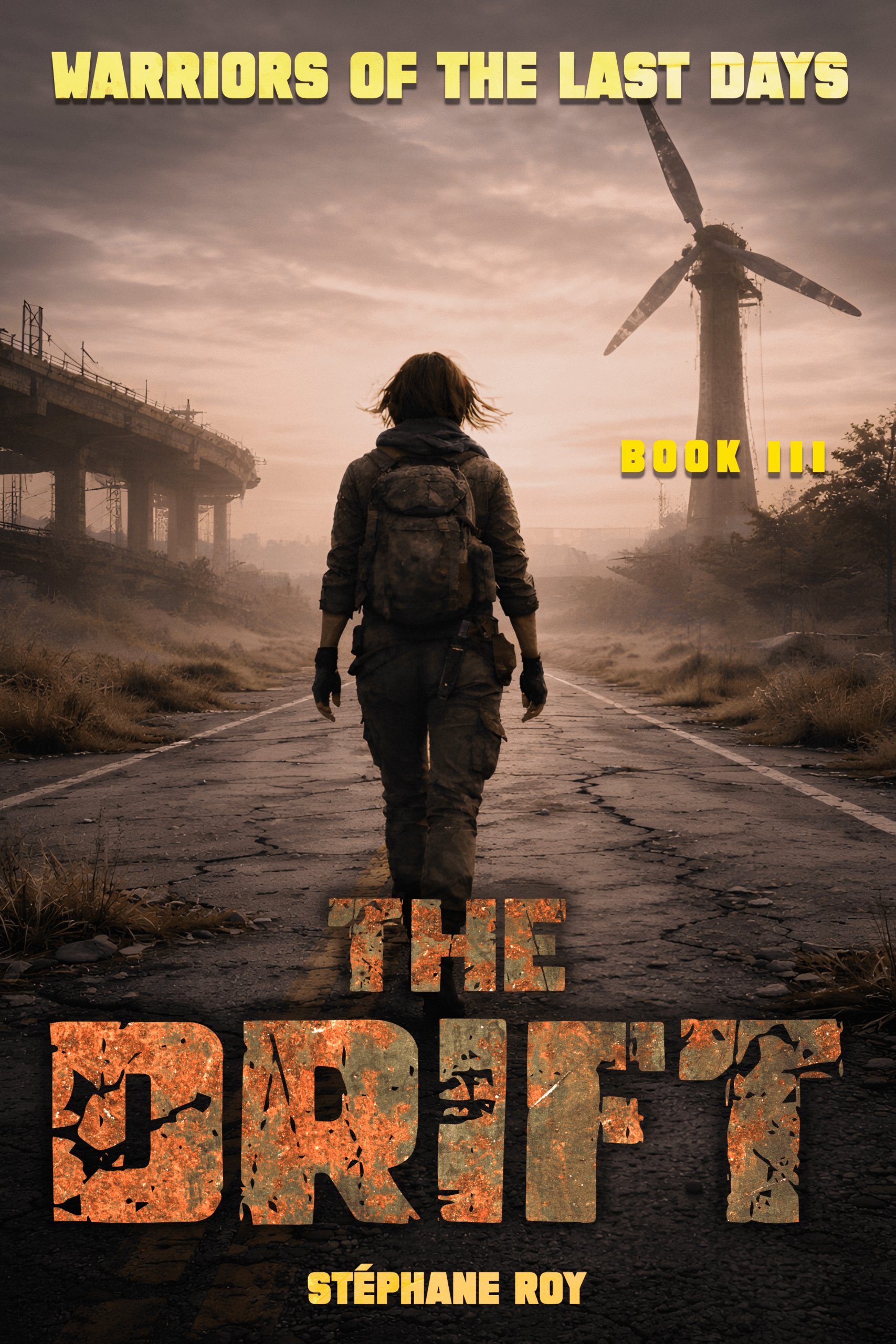
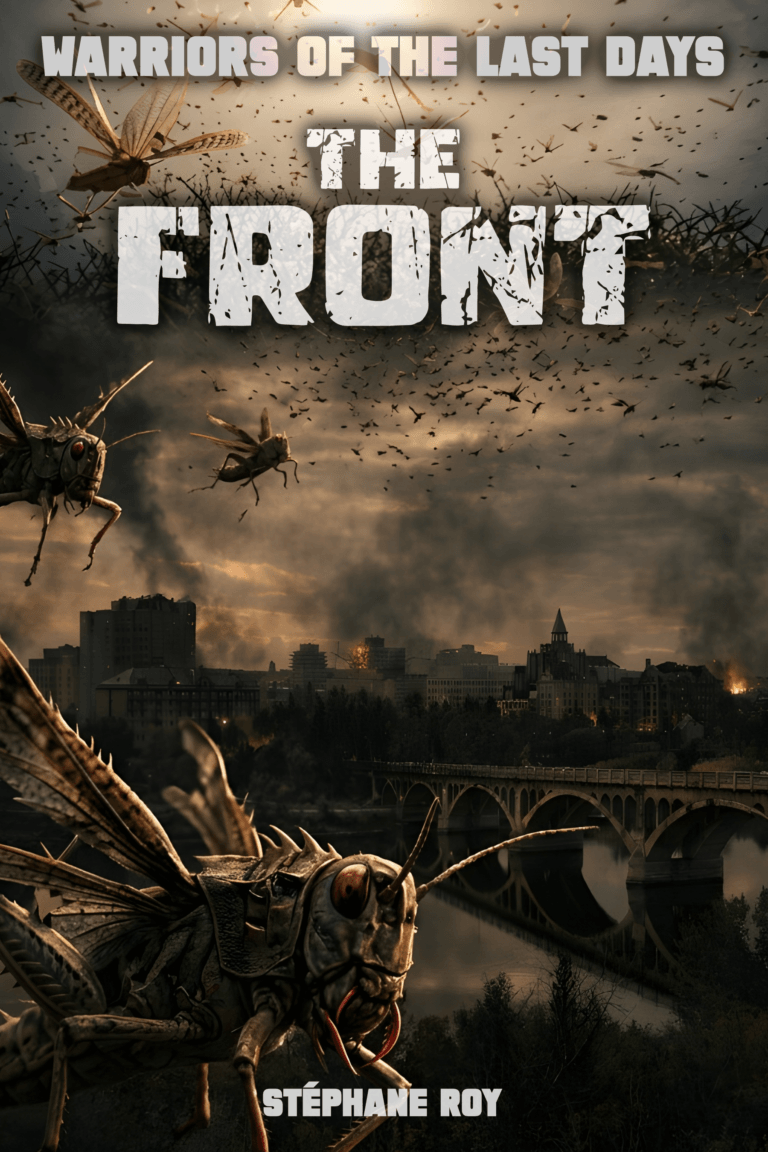
Top BISAC Categories
- FIC009000 FICTION / Literary
- FIC028000 FICTION / Dystopian
- FIC039000 FICTION / Science Fiction / Post‑Apocalyptic
Rationale
- Primary genre: literary fiction with strong speculative and dystopian elements (FIC009000).
- Subgenre match: dystopian/post‑apocalyptic themes, community dynamics, environmental menace (FIC028000, FIC039000).
- These codes align with comparable titles in the literary‑dystopia and slow‑burn survival market trends.
Top BISAC Category Recommendations:
1) FICTION / Science Fiction / Dystopian & Post-Apocalyptic
- Rationale: Primary market fit for near-future, city-scale regime control, subterranean hive elements, and post-collapse worldbuilding. Matches reader expectations for speculative infrastructure and systemic breakdown.
2) FICTION / Thrillers / Political
- Rationale: The book centers on state power, public executions-as-theater, insurgency and tactical sabotage: this BISAC connects political suspense and regime-focused drama to thriller readers.
3) FICTION / Literary
- Rationale: Strong literary voice, moral ambiguity, thematic focus on labor, obedience, and ritualized violence; positions the novel for literary fiction discovery and book-club / critical audience crossover.
COMING SOON!
COMING SOON!
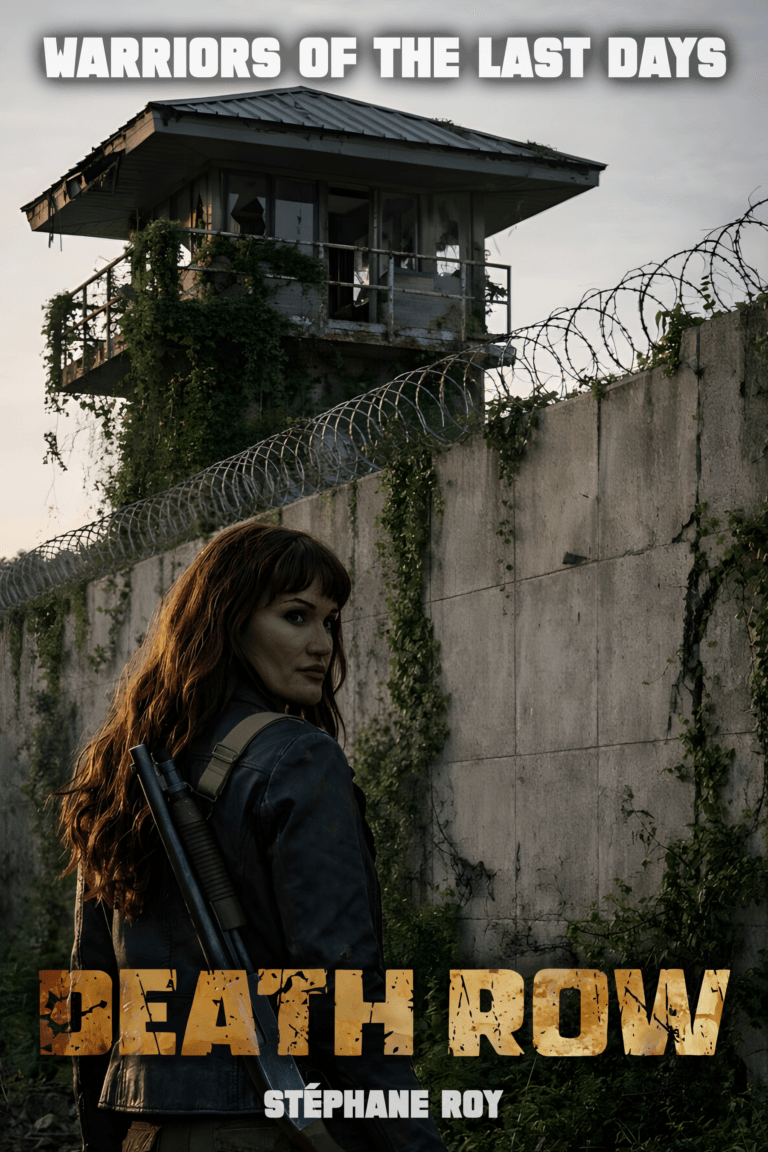
1) FIC031000 FICTION / Thrillers / Psychological
- Primary placement for reader expectation of tension, moral ambiguity, and character‑driven suspense.
- Matches the slow‑burn interrogation of motives (Cobb) and the protagonist’s internal logic.
2) FIC051000 FICTION / Science Fiction / Dystopian
- Captures the near‑future collapsed‑system worldbuilding and ventilation/contagion speculative element.
3) FIC039000 FICTION / Horror / Science Fiction Horror or FIC005000 FICTION / Action & Adventure (as secondary)
Action & Adventure as a secondary BISAC to reach readers seeking propulsive rescue/escape narratives.
Use Horror (science/medical) for contagion and body‑horror elements (iron‑hunger scenes, Cell Five).
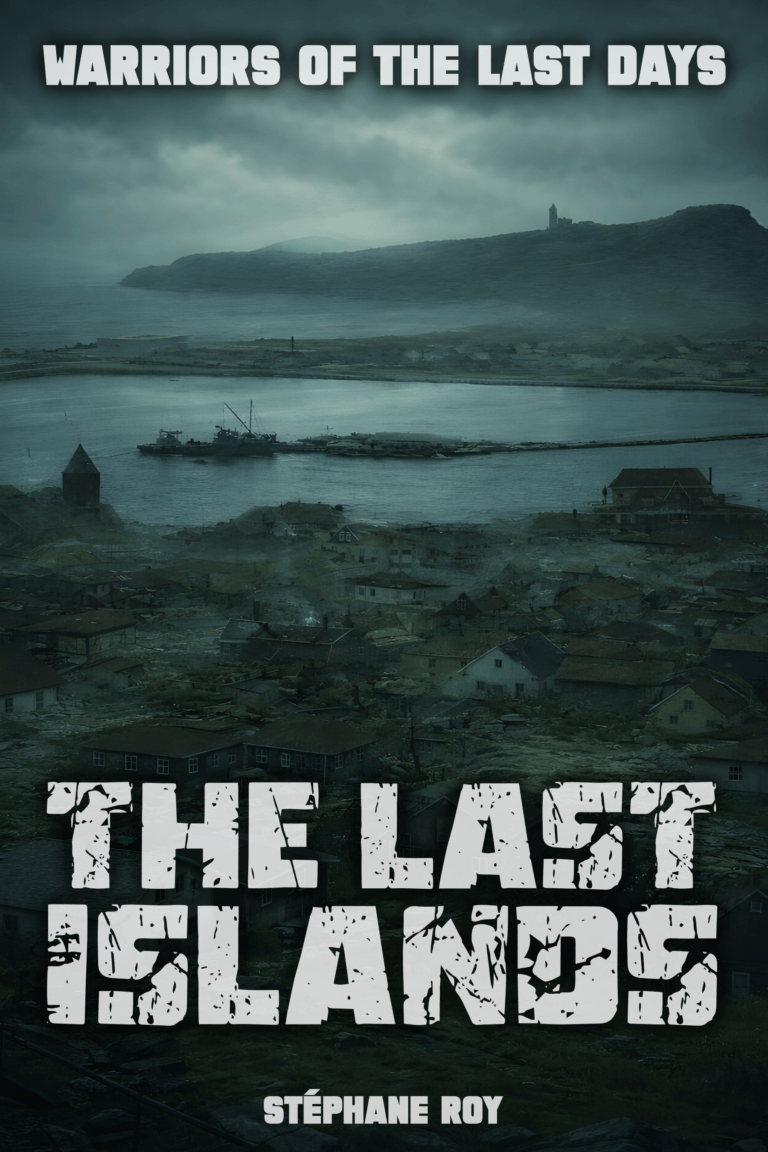
Top BISAC Categories
1) FICTION / Literary
Justification: The novel’s primary emphasis is on character, moral choices, atmosphere and prose-driven plotting (institutional logkeeping and character interiority across Marcel, Marguerite, Sandrine). This is the best primary BISAC placement.
2) FICTION / Social Themes
Justification: Central concerns about community survival, rationing, governance, and ethical distribution (rationing decree, Council vs Préfecture tension) align with social‑themes fiction categories.
3) FICTION / Thriller / Suspense or FICTION / Apocalyptic & Post‑Apocalyptic
Justification: Although the book is literary and character‑driven, it contains a sustained suspense element (communications blackout, unexplained fog light, disappearances) and post‑collapse survival elements (rationing, fuel inventory, crossings), making a secondary placement in suspense/apocalyptic BISAC categories appropriate for market discoverability.
(References to the manuscript: radio and transmission logs and procedural entries demonstrating institutional strain, the farm’s arithmetic, seed inventory, and closed gate that drive social conflict, fog sightings and missing people that create the mysterious/suspense thread).
© Copyright 2026 WARRIORS OF THE LAST DAYS All rights reserved Privacy Policy
 Stéphane Roy is a lifelong reader and writer with a deep love for science fiction, apocalyptic worlds, and tightly constructed mysteries. This is his first novel. He lives in the Yukon with his dog and his aquarium, where long winters, silence, and wide, sometimes glowing, skies leave plenty of room for imagining the end of the world, and what might come after it. He is also waiting, with cautious optimism, for the aliens to finally reveal themselves and straighten us all out.