Glossary of Key Terms
Our Glossary presents key terms in the universe of Warriors of the Last Days. We tried to give you a description of what matters for each novels.
Acedian
The Acedian refers to a massive, gelatinous entity inhabiting the submerged Beaudy metro station, symbolizing ultimate stagnation and dissolution. It lures victims with a calming psychic field that erodes will and motion, representing the seductive peril of inaction in a world demanding constant adaptation. Thematically, it embodies entropy’s triumph over human agency. Pronunciation: /əˈsiːdiən/ (uh-SEE-dee-uhn).
Beatification
A status granted within the Stadium’s hierarchy, signifying protection and integration into the system as a preserved asset rather than expendable fodder. It promises safety from ordeals but demands compliance, often leading to Canonization and loss of autonomy. Thematically, it critiques false salvation through institutional control, exemplified when Prester John offers it to Una as a “vessel” for continuity, highlighting the erasure of self for systemic stability. Pronunciation: /ˌbiːətɪfɪˈkeɪʃən/ (bee-uh-tif-ih-KAY-shun).
Big O
The nickname for the Olympic Stadium, transformed into the Stadium’s fortified core, a sprawling, oppressive hub of rituals, ordeals, and control under Prester John’s rule. Symbolically, it represents monumental decay and repurposed grandeur, its “open mouth” yawning as a site of subjugation and spectacle. In the narrative, it serves as the central arena for trials like the Ordeal of Gluttony, embodying the fusion of spectacle and suffering. Pronunciation: /bɪɡ oʊ/ (big OH).
Bishop
A human handler within the Stadium’s enforcer cadre, marked by symmetrical scars and tactical efficiency; he aids Una covertly, driven by personal relief from her apparent immunity to the Hive’s influence. Thematically, he illustrates internal fracture within oppressive systems, his name evoking ironic ecclesiastical oversight amid moral ambiguity. His betrayal of protocol to help Una escape underscores themes of quiet rebellion against dehumanizing control. Pronunciation: /ˈbɪʃəp/ (BISH-uhp).
Burnout
Individuals in the Stadium’s Wing of the Broken, mentally and physically eroded by prolonged Hive exposure or Glowers psionic attacks, reduced to looping, mechanical behaviors like humming in sync with machinery. They symbolize the psychological toll of enforced conformity, their vacant repetitions highlighting the erasure of individuality. For instance, a Burnout’s timed clicks echo the Hive’s failed synchronization attempts on Una, representing systemic exhaustion. Pronunciation: /ˈbɜːrnaʊt/ (BURN-owt).
Canonization
The Stadium’s ultimate assimilation process, where “Beatified” individuals are repurposed for biological continuity (e.g., breeding programs), stripping them of agency for the greater “Canon.” Thematically, it satirizes distorted legacy and forced reproduction as survival’s cost, as seen in Nukilik’s acceptance, transforming personal choice into institutional utility. Pronunciation: /ˌkænənaɪˈzeɪʃən/ (kan-uh-ny-ZAY-shun).
Cathedral
The repurposed Christ Church Cathedral and Underground City galleries, forming RESO’s core of optimization and labor, where survival is quantified through ledgers of efficiency and caloric yield. It symbolizes bureaucratic dehumanization, its gothic arches braced for utility rather than worship. In the narrative, it contrasts the Stadium’s spectacle with cold arithmetic, as Una navigates its “Cathedral Galleries” for tasks like vent clearance. Pronunciation: /kəˈθiːdrəl/ (kuh-THEE-druhl).
Cave
Una’s childhood refuge in Pius IX Park, a natural limestone shelter symbolizing innate resilience and autonomy against external pressures like the Hive. It represents unyielding personal sanctuary, teaching Una to “listen” to silence and ground. Thematically, it contrasts artificial systems, recalled during her resistance to the Glowers, where its “stone memory” anchors her against psychic intrusion. Pronunciation: /keɪv/ (KAYV).
Décarie Trench
A flooded highway basin repurposed as the “Sump,” a drainage solution for RESO’s excess water, symbolizing engineered abandonment of lowlands. It embodies systemic sacrifice, where floods clear “obstructions” like the Sweepers, turning infrastructure into a tool of displacement. In the epilogue, it highlights the Sump’s ironic stability amid ruin. Pronunciation: /deɪˈkɑːri trɛntʃ/ (day-KAH-ree trench).
Glowers
Translucent, vein-lit mutants serving the Hive, capable of psychic “Pressure” to enforce synchronization and submission. They symbolize invasive collective control, their internal glow representing corrupted unity. Narratively, they capture Una, their failed commands on her underscoring her anomaly status. Thematically, they critique enforced conformity, as in their desynchronization around her presence. Pronunciation: /ˈɡloʊərz/ (GLOH-urz).
Grafters
Radiation-scarred survivors in the Stadium, their bodies stitched with scavenged flesh to prolong utility, embodying desperate, grotesque adaptation. They represent survival’s commodification, their “muffled screams” highlighting bodily horror under systemic necessity. Seen as handlers, their enlarged knuckles illustrate gradual mutation from proximity to the Hive. Pronunciation: /ˈɡrɑːftərz/ (GRAF-turz).
Grey Mutants
Post-apocalyptic aberrations like grey-skinned beasts or two-headed giants, warped by radiation and Hive influence, representing environmental and systemic corruption. They patrol for the Glowers, their “shared protocol” blurring instinct and control, thematically embodying dehumanizing evolution. Una encounters them in the forest, their hesitation around her foreshadowing her immunity. Pronunciation: /ˈmjuːtənts/ (MYOO-tuhnts).
Hive
The subterranean fungal-intelligence network beneath the Stadium, merging minds through psychic “Pressure” for collective control, symbolizing totalitarian assimilation. It enforces synchronized behavior, logging emotions as data, thematically critiquing loss of individuality in dystopian unity. In the prologue, it “merges” survivors into one, its failed integration of Una exposing systemic limits. Pronunciation: /haɪv/ (HIVE).
Ordeal of Avarice
A trial in the Stadium’s Vault of hoarded knowledge, testing greed through shifting brass paths and tempting artifacts like the Regula book. It symbolizes the peril of possession in scarcity, where claiming “salvation” leads to isolation. Una discards the book to save her group, highlighting themes of communal survival over individual gain. Pronunciation: /ərˈdiːl əv ˈævərɪs/ (or-DEEL uv AV-uh-ris
Ordeal of Gluttony
The first major Stadium trial in a flooded parking basin with Purge Grubs, challenging excess through scarcity and toxic waste. It represents survival’s brutal economy, where consumption invites predation. Una’s group navigates chained and submerged, her leadership emerging as she kills a Grub, thematically critiquing unchecked hunger in collapse. Pronunciation: /ərˈdiːl əv ˈɡlʌtəni/ (or-DEEL uv GLUT-uh-nee)
Outskirts
RESO’s peripheral low-maintenance zones for “reclassified” individuals, featuring minimal filtration and passive survival, symbolizing systemic marginalization. They embody expendable existence, where people like Jessy scavenge in basins, contrasting the Cathedral’s efficiency with quiet decay. Pronunciation: /ˈaʊtˌskɜːrts/ (OWT-skirts).
Prester John
The enigmatic leader of the Stadium, a broad, authoritative figure in hides who wields the Hive’s “leash,” blending prophetic charisma with ruthless control. He symbolizes corrupted messianism, offering “Beatification” as salvation while enforcing ordeals. His subtle manipulations, like hesitating Glowers, reveal internal Hive fractures. Pronunciation: /ˈprɛstər ˈdʒɒn/ (PRES-ter JOHN).
Pressure
The Hive’s psychic force imposing synchronized thought and action, felt as compressive weight or commands like “SLEEP,” symbolizing invasive collectivism. It erodes individuality, failing against Una’s immunity, thematically representing authoritarian mind control in survival narratives. Pronunciation: /ˈprɛʃər/ (PRESH-ur).
Purge Grubs
Massive, translucent worm-like creatures in the Stadium’s flooded basins, using suction maws to consume waste and victims during ordeals. They embody gluttony’s horror, their “hydraulic certainty” critiquing indiscriminate consumption. In the Ordeal of Gluttony, Una kills one, disrupting Hive control. Pronunciation: /pɜːrdʒ ɡrʌbz/ (purj GRUBZ).
RESO
The bureaucratic underground network (from RÉSO, the underground city from Ville de Montréal), re-engineered post-collapse into an optimization machine using a quantum computer, prioritizing efficiency over humanity. The computer sees all possible outcomes at once, picks one based on maximal efficiency and the humans left behind have to deal with the repercussions. It symbolizes algorithmic tyranny, logging lives as “yield,” contrasting the Hive’s psychic force with cold calculus. Una navigates its ledgers, exposing dehumanizing math. Pronunciation: /ˈrɛzoʊ/ (REZ-oh).

The Underground City
The RÉSO (often called the Underground City or la ville souterraine) is the world’s largest underground pedestrian network, featuring over 33 km of tunnels, shops, restaurants, metro stations, and office towers in downtown Montreal. Built to navigate, work, and shop during harsh winters, it connects key landmarks.
Stadium
The fortified Olympic Stadium, core of Prester John’s theocratic regime, site of ordeals, Hive control, and ritualized survival. It represents monumental oppression, its “Big O” shell a yawning maw of subjugation. Thematically, it critiques spectacle as control, where Una’s trials forge her resistance. Pronunciation: /ˈsteɪdiəm/ (STAY-dee-um).
Sump
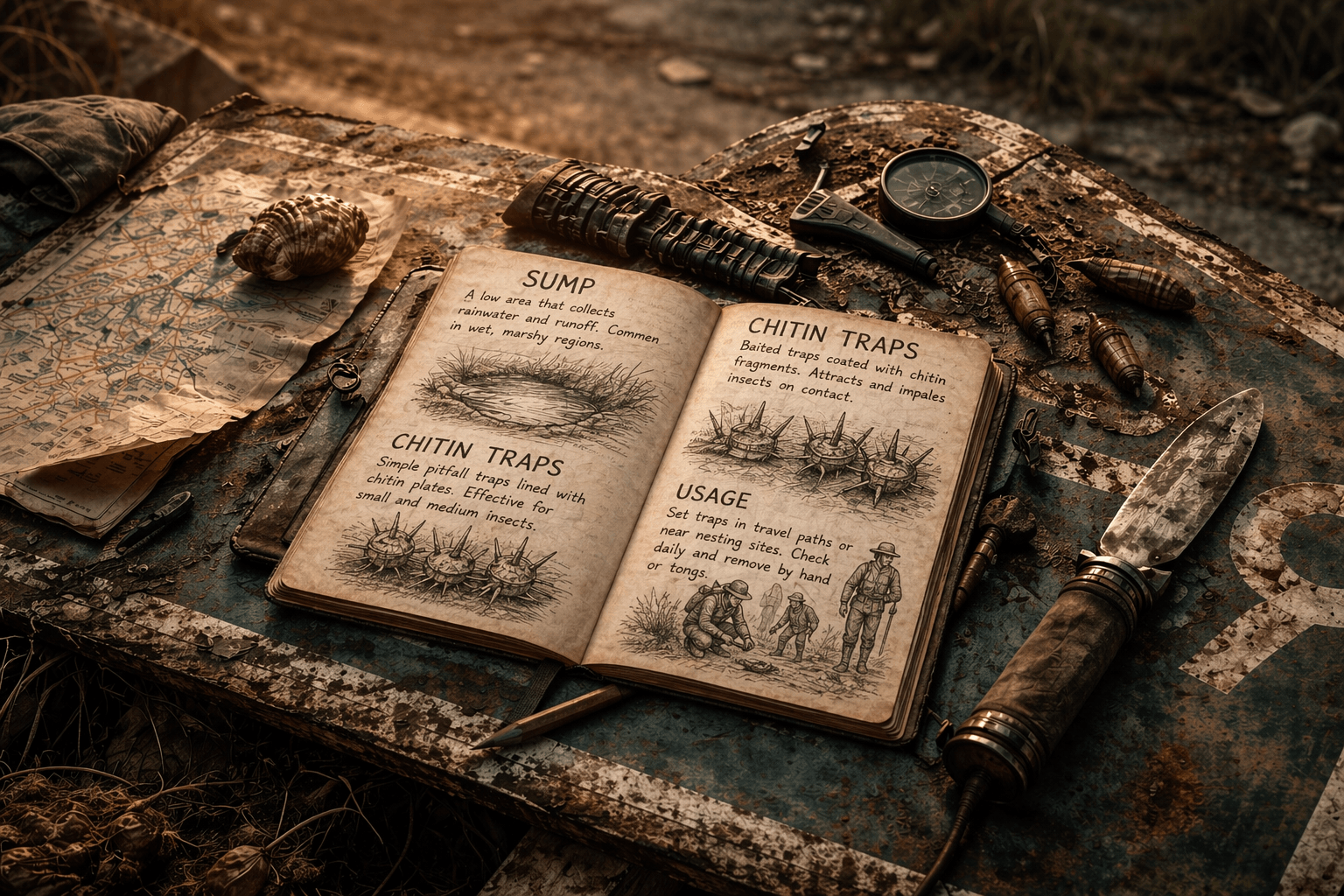
The flooded Décarie Trench basin, RESO’s drainage for excess water, symbolizing sacrificial lowlands where floods “clear” threats like Sweepers. It embodies engineered disposability, its mutated crawfish-adapted ecosystem highlighting resilient decay amid systemic violence. Pronunciation: /sʌmp/ (SUMP).
Sweepers
Scavenging groups in St-Henri ruins, stripping infrastructure for survival, representing chaotic entropy against RESO’s order. They symbolize unquantified resistance, their “entropic force” prompting floods as “corrections.” Pronunciation: /ˈswiːpərz/ (SWEE-purz).
Warriors of the Last Days
RESO’s label for peripheral survivors resisting optimization through desynchronization and evasion, embodying persistent, unmodeled humanity. They critique systemic erasure, surviving in blind spots without hierarchy, as Una observes their fragile stability turning legible. Pronunciation: /ˈwɔːriərz əv ðə læst deɪz/ (WOR-ee-urz uv thuh last DAYZ).
Blight
In the manuscript, the Blight refers to a mysterious, corrosive entity or process manifesting as a chemical and biological decay within the quarry community of Francon, particularly associated with the lake and fissure. It symbolizes unchecked consumption and systemic erosion, representing how environments and societies “eat” themselves to maintain balance. Thematically, it embodies the novel’s exploration of survival’s hidden costs, where maintenance rituals (like offerings) accelerate rather than halt decay. For example, the Blight’s residue bubbles on stone, widening the lake’s pale crescent and forcing “rebalancing” sacrifices. Pronunciation: /blaɪt/ (blite).
Calcium
A pervasive mineral residue in Francon, derived from the quarry’s limestone and the lake’s caustic waters, which coats tools, skin, and stone, symbolizing gradual erosion and the inescapable buildup of environmental and societal decay. It plays a narrative role in the Blight’s mechanics, used in slurry to “feed” the fissure and maintain containment, highlighting themes of sacrifice and chemical dependency for survival. Symbolically, it represents how systems calcify and consume vitality over time. For example, calcium slurry hisses on stone during rituals, stiffening joints and pitting rock. Pronunciation: /ˈkælsiəm/ (kal-see-uhm).
Containment
The systematic management of the Blight in Francon, involving rituals like pouring calcium slurry into channels to prevent the lake’s expansion and the fissure’s growth. Narratively, it underscores the community’s fragile equilibrium, where “honor” offerings and labor redistribute costs to avoid collapse. Thematically, it critiques authoritarian stability, showing how containment of decay requires ongoing human sacrifice. For example, Cécile directs containment teams to pour slurry as the lake’s crescent widens, buying time but accelerating erosion. Pronunciation: /kənˈteɪnmənt/ (con-tayn-muhnt).
Convoy
A disciplined procession of wagons and walkers led by the Stadium, moving westward to process and relocate people, symbolizing the novel’s theme of inexorable systemic expansion. It serves as a narrative vehicle for horror, carrying Glowers and flags of flayed skin to enforce psychological and physical control. Thematically, it contrasts Francon’s enclosed survival with the Stadium’s mobile conquest, illustrating how movement becomes doctrine. For example, Andy shadows the convoy, witnessing Renée as “cargo” in its rear wagon. Pronunciation: /ˈkɒnvɔɪ/ (kon-voy).
Crossing
Refers to perilous river traversals, such as the Décarie trench, where survivors navigate traps and crawfish using ropes and stakes, embodying themes of risk and loss in a flooded world. Narratively pivotal in Act I, it tests group cohesion and individual sacrifice, with the child’s death marking irreversible trauma. Symbolically, it represents thresholds between life and consumption, where water “processes” the weak. For example, Mireille loses her child to crawfish during the group’s crossing, shifting the narrative toward fragmentation. Pronunciation: /ˈkrɔːsɪŋ/ (kros-sing).
Crawfish
Mutated, aggressive crustaceans in the Décarie River, preying on vibrations and movement, symbolizing opportunistic consumption in a post-apocalyptic ecosystem. They drive tension in survival scenes, representing nature’s adaptation to human decay. Thematically, they mirror the Blight’s slow devouring, turning familiar elements into threats. For example, during the trench crossing, crawfish swarm the child after his involuntary sound, pulling him under and saving the group by distraction. Pronunciation: /ˈkrɔːfɪʃ/ (kraw-fish).
Décarie River
A flooded trench from a sunken expressway, filled with silt, traps, and crawfish, serving as a central barrier in Act I that tests the survivors’ unity and leads to losses. Narratively, it symbolizes the irreversible submersion of the old world, with its brown current and submerged cars evoking drowned infrastructure. Thematically, it represents natural forces reclaiming human spaces, forcing moral choices in transit. For example, the group uses trap lines to cross it, but the river claims a child, fracturing their resolve. Pronunciation: /deɪˈkɑːri ˈrɪvər/ (day-kah-ree riv-er).
Flag: A gruesome banner of flayed human skin, tattooed with a black Christian cross, hung from Stadium convoys to mark identity and doctrine without words. It symbolizes the novel’s horror of bodily conversion into ideological tools, evoking themes of desecration and systemic efficiency. Narratively, it signals the Stadium’s approach, instilling dread. For example, Andy sees the red-edged flag swaying from a wagon, its cross inked into pale flesh, confirming the procession’s merciless purpose. Pronunciation: /flæɡ/ (flag).
Francon
The enclosed quarry community serving as a sanctuary-turned-trap in Acts VI-VIII, built into limestone terraces around a toxic lake, representing false stability in a decaying world. Narratively, it’s a midpoint of respite and horror, where survivors confront the Blight’s rituals. Thematically, it critiques contained survival as slow consumption, contrasting open-road peril. For example, Andy arrives seeking refuge but witnesses “honor” offerings to the lake, realizing Francon’s maintenance devours its people. Pronunciation: /fræŋˈkɒn/ (fran-kon).
Glower
Psychic enforcers of the Stadium, humanoid figures with pale, scanning bulbs for heads that exert mental pressure and cognitive interference, symbolizing invasive control and erasure of will. They drive the novel’s psychological horror, enforcing procession without physical violence. Thematically, they represent systemic dehumanization, turning resistance into inefficiency. For example, a Glower’s light sweeps Andy’s hiding spot, causing skull pressure and vision blur, classifying him as “load.” Pronunciation: /ˈɡlaʊər/ (glow-er).
Honour
Francon’s euphemism for ritual sacrifice to the Blight, where individuals volunteer (or are suggested) for dissolution in calcium slurry to “feed” the fissure and maintain containment. It symbolizes the novel’s exploration of moral erosion, where survival reframes atrocity as duty. Narratively, it fractures Andy’s group, forcing his departure. For example, Cécile offers Andy the “position” as an “honor,” framing murder as communal necessity amid the lake’s advance. Pronunciation: /ˈɒnər/ (on-er).
Lake
The toxic, black-water basin at Francon’s center, a repository of dumped snow and waste mutated into a corrosive entity hosting massive sturgeon and the Blight. Symbolically, it embodies consumption and hidden decay, mirroring societal sacrifices. Narratively, it’s the heart of Francon’s rituals, driving conflicts over containment. For example, the lake’s widening pale crescent signals acceleration, prompting increased “offerings” to prevent overflow. Pronunciation: /leɪk/ (lake).
Load
In Stadium terminology, a euphemism for captured or processed individuals treated as resources for labor, conversion, or elimination, symbolizing dehumanization and efficiency in conquest. Thematically, it critiques systemic objectification, reducing people to quantifiable burdens. For example, Andy is classified as “load” upon capture, loaded onto a wagon like cargo beside the unresponsive Renée. Pronunciation: /loʊd/ (lohde).
Load Shedding
The pragmatic reduction of group burdens in survival scenarios, such as abandoning the injured or weak to preserve momentum, recurring in Acts II-V as a theme of ruthless calculus. Narratively, it drives losses like the injured woman’s abandonment and Renée’s implied fate. Symbolically, it represents ethical erosion under pressure, where care becomes inefficiency. For example, Luc sinks in quicksand while the group retreats, embodying load shedding to maintain pace. Pronunciation: /loʊd ˈʃɛdɪŋ/ (lohde shed-ing).
Motion
Andy’s core philosophy of constant movement as resistance to entrapment, contrasting Francon’s stability and the Stadium’s procession, symbolizing freedom’s fragility in a consuming world. Thematically, it explores survival as perpetual refusal, but reveals its limits against systemic forces. For example, Andy repeatedly chooses motion over settlement, fleeing Francon but ultimately captured, underscoring its insufficiency. Pronunciation: /ˈmoʊʃən/ (moh-shun).
Procession
The Stadium’s disciplined caravan of wagons, Glowers, and “load,” moving as a mobile doctrine rather than mere travel, symbolizing conquest as ritualized efficiency. Narratively, it propels the climax, capturing Andy and highlighting themes of inevitable alignment. For example, Andy shadows the procession, witnessing Renée as passive cargo, realizing it’s not invasion but absorption. Pronunciation: /prəˈsɛʃən/ (pruh-sesh-un).
Residue
The pale, chalky calcium buildup from the Blight, coating Francon’s stone, tools, and skin, symbolizing slow, insidious decay and the environmental toll of survival rituals. Thematically, it illustrates how systems leave indelible marks, eroding both body and ethics. For example, residue bubbles on pitted limestone, widening the lake’s advance and stiffening villagers’ joints. Pronunciation: /ˈrɛzɪduː/ (rez-i-doo).
Stadium
The antagonistic force of organized conquest, a theocratic-military entity using Glowers and processions to process populations into doctrine, symbolizing total systemic control in the post-apocalyptic world. Thematically, it contrasts Francon’s contained decay with mobile, efficient absorption. For example, its flag of tattooed skin marks the convoy Andy shadows, enforcing psychological dominance. Pronunciation: /ˈsteɪdiəm/ (stay-dee-um).
Sturgeon
Mutated, massive fish in Francon’s lake, scavengers feeding on sunken debris, hunted for food but symbolizing the quarry’s predatory ecosystem. Narratively, hunts reveal the Blight’s interdependence, with their scarred bodies echoing human sacrifices. Thematically, they represent nature’s adaptation to toxicity, mirroring societal consumption. For example, a sturgeon drags boats during a hunt, its mud-coated form pulled from the black water to feed the village. Pronunciation: /ˈstɜːrdʒən/ (stur-jun).
Sump
The low-lying, mud-choked settlement along the Décarie River, a precarious community built on unstable ground, symbolizing fragile human adaptation in a sinking world. Narratively, it’s the starting point of exodus, destroyed by tremors and attack. Thematically, it embodies themes of impermanence and communal rhythm disrupted by external forces. For example, Andy navigates the Sump’s familiar mud paths before tremors signal its fall. Pronunciation: /sʌmp/ (sump).
System
A recurring motif for organized survival structures like Francon or the Stadium, critiquing how they sustain life through efficiency, sacrifice, and consumption. Thematically, it explores moral calculus, where “systems” dehumanize to endure. Narratively, it drives conflicts, from load shedding to Blight rituals. For example, Maurice praises Francon’s “system” for redistributing costs, justifying sacrifices as maintenance. Pronunciation: /ˈsɪstəm/ (sis-tuhm).
Tremor
Subtle ground vibrations signaling impending catastrophe, such as the Sump’s destruction or the Blight’s advance, symbolizing unstable foundations in both natural and social worlds. Thematically, they represent ignored warnings and inevitable disruption. Narratively, they initiate the exodus and escalate Francon’s decay. For example, initial tremors in the Sump cause hesitation before full collapse, mirroring group denial. Pronunciation: /ˈtrɛmər/ (trem-er).
Alignment: In the manuscript, alignment refers to the Hive’s psychic and atmospheric coercion, forcing individuals or environments into coherent obedience through pressure waves. It symbolizes systemic control and loss of agency, often manifesting as physical pain or behavioral compulsion for Una. Thematically, it contrasts with refusal, representing the Hive’s expansionist ideology. For example, during the quarry scene, alignment tightens the air, attempting to “correct” Una’s path but failing due to her resistance. Pronunciation: /əˈlaɪnmənt/ (uh-LINE-muhnt).
Blight: The Blight is a corrosive, otherworldly infection that once plagued Francon’s quarry, symbolizing uncontrolled chaos and existential threat in the post-apocalyptic world. It represents the manuscript’s theme of environmental and bodily decay, now “corrected” through burning and sealing, but lingering as a metaphor for suppressed horrors. Narratively, its eradication enables the Hive’s order but leaves psychic scars. For example, patrols sterilize remnants to prevent resurgence. Pronunciation: /blaɪt/ (blite).
Cave: Una’s childhood cave near Pius-IX serves as a sanctuary of stone that disrupts Hive pressure, symbolizing unyielding personal anchor and resistance to alignment. Thematically, it embodies endurance without adaptation, contrasting engineered systems like the Stadium. It holds Una’s memories and allows her to “re-anchor” amid chaos. For example, inside, pressure fails to follow, granting her clarity before confronting Francon. Pronunciation: /keɪv/ (kave).
Drifters: Nomadic survivors who embody transient motion in a world of enforced stillness, rejecting permanence to evade Hive control. They represent the theme of refusal through impermanence, living lightly with quick-dismantling camps. Una encounters them as road companions, sharing water without names. For example, they scatter at dusk, leaving no trace for wind to erase. Pronunciation: /ˈdrɪftərz/ (DRIF-turz).
Drift: The novel’s core concept, referring to Una’s westward journey as aimless motion symbolizing escape from Hive oppression. Thematically, it contrasts stillness and alignment, representing survival through refusal to settle. It evolves into a tightening “turn” under pressure. For example, Una “drifts” into the quarry, carried by motion itself rather than purpose. Pronunciation: /drɪft/ (drift).
Francon: The quarry site, once a chaotic refuge now “corrected” into a Hive-administered scar, symbolizing the erasure of resistance through sterilization. Narratively, it’s Una’s origin of loss and a conduit for transporting captives like Renée. Thematically, it illustrates how wounds are disciplined into order. For example, patrols burn its remnants to maintain the “scab.” Pronunciation: /frɑːnˈkɒn/ (fran-KON).
Glowers: Hive enforcers who exert psychic pressure to enforce alignment, pale and luminous figures symbolizing invasive control. They hunt anomalies like Una through atmospheric manipulation, representing the theme of coerced coherence. For example, in the tower, Glowers push pressure that Una disrupts with interference. Pronunciation: /ˈɡloʊərz/ (GLO-urz).
Incinerator: An abandoned industrial site with twin chimneys that “breathes” ash, symbolizing relentless processing and erasure of remnants. Thematically, it contrasts the cave’s endurance, representing mechanical indifference to life. Una shelters there, evading its “sorting” by refusing to settle. For example, ash spirals warn of its reclamation instincts. Pronunciation: /ɪnˈsɪnəreɪtər/ (in-SIN-uh-ray-ter).
Motion: Una’s philosophy of survival through constant, directionless movement, symbolizing refusal against Hive stasis and alignment. Thematically, it opposes stillness, enabling evasion of systems. For example, Una walks “carried not by purpose but by motion itself.” Pronunciation: /ˈmoʊʃən/ (MOH-shun).
Pressure: A multifaceted force in the manuscript, literally atmospheric manipulation by the Hive causing physical pain, and metaphorically systemic oppression enforcing alignment. It symbolizes control’s invisibility, resisted by Una’s refusal. For example, spores induce pressure visions of the Stadium, linking personal and global threats. Pronunciation: /ˈprɛʃər/ (PRESH-ur).
Ptêtre ben que oui. Ptêtre ben que non.: A recurring Québécois phrase meaning “maybe yes, maybe no,” used by Fence-Sitters to embody indecision and avoidance of commitment. Symbolically, it represents passive survival through ambiguity, critiquing inertia as subtle complicity. For example, the francophone repeats it to diffuse tension, maintaining balance. Pronunciation: /ptɛtʁə bɛ̃ kə wi ptɛtʁə bɛ̃ kə nɔ̃/ (tɛ-truh behn kuh wee; tɛ-truh behn kuh nohn).
Quarry: Francon’s central scar, a vast limestone pit symbolizing excavated trauma now “scabbed” over by Hive order. Narratively, it’s a site of past Blight and current correction, where Una witnesses sterilization. Thematically, it represents forced healing through erasure. For example, flames ensure “no leftovers” on its pale floor. Pronunciation: /ˈkwɒri/ (KWO-ree).
Refusal: Una’s core trait of resisting Hive alignment through non-compliance, symbolizing individual agency against systemic coercion. Thematically, it drives the narrative, enabling survival via motion and disruption. For example, Una “refuses to resolve” during the wagon escape, breaking the count. Pronunciation: /rɪˈfjuːzəl/ (ri-FYOO-zul).
Renée: A tall, silent woman captured by the Hive, symbolizing endured resistance and the cost of non-verbal defiance. Narratively, her escape via Una’s interruption highlights miscounts in the system. Thematically, she embodies unyielding presence amid erasure. For example, she drops from the wagon without speaking, prioritizing flight. Pronunciation: /rəˈneɪ/ (ruh-NAY).
Scab: The healed-over fissure in Francon’s quarry, metaphorically a disciplined wound symbolizing suppressed chaos under Hive control. Thematically, it critiques false recovery, where threats are burned rather than resolved. For example, Una crosses the “scab” ground, feeling its unyielding compaction. Pronunciation: /skæb/ (skab).
Senneville: A village of enforced stillness, using dead air as camouflage against Hive detection, symbolizing survival through behavioral control. Narratively, Una rests there, observing its management of pressure via charts. Thematically, it contrasts motion, showing inertia’s traps. For example, residents avoid noise to remain a “blind spot.” Pronunciation: /sɛnəˈvil/ (sen-uh-VEEL).
Stadium: The Hive’s central nexus, a massive structure exerting psychic pressure, symbolizing ultimate alignment and totalitarian coherence. Thematically, it represents oppressive legacy, haunting Una’s visions. For example, spores evoke its “thunderhead” rise, compressing thoughts. Pronunciation: /ˈsteɪdiəm/ (STAY-dee-um).
Stillness: A survival strategy of minimal disturbance to evade detection, symbolizing passive resistance or inertia in Hive-dominated worlds. Thematically, it critiques avoidance, contrasting Una’s motion. For example, Senneville’s “dead air” hides them, but invites internal traps. Pronunciation: /ˈstɪlnəs/ (STIL-nis).
Stone: Recurring motif of enduring, unyielding matter (e.g., cave, tower) symbolizing personal anchor against Hive pressure. Thematically, it represents refusal to align, grounding Una’s resistance. For example, the cave disrupts pressure, allowing her to “re-anchor.” Pronunciation: /stoʊn/ (stohn).
System: Hive-enforced structures of alignment, from patrols to quarries, symbolizing dehumanizing order. Narratively, they process anomalies like Una; thematically, they embody coercion’s invisibility. For example, the incinerator “sorts” without intent, mirroring broader control. Pronunciation: /ˈsɪstəm/ (SIS-tuhm).
Tollers: Gatekeepers on Highway 15 who tax passage with goods or bodies, symbolizing commodified survival in controlled corridors. Thematically, they represent procedural oppression, taxing refusal. For example, they demand Una’s “body” as toll, prompting her escape. Pronunciation: /ˈtoʊlərz/ (TOHL-urz).
Una: The protagonist, a resilient wanderer resisting Hive alignment through motion and refusal, symbolizing individual defiance. Her journey embodies the theme of unyielding agency amid apocalypse. For example, she disrupts wagon counts by crossing inefficiently. Pronunciation: /ˈuːnə/ (OO-nuh).
Burnouts (/ˈbɜːrnaʊts/ bur-nowts): In the manuscript, Burnouts refer to individuals whose minds have been stripped or overloaded by the Pressure field, leaving their bodies alive but unresponsive, often repurposed for labor or breeding in the Stadium’s facilities like the Row or Incubarium. They symbolize the dehumanizing efficiency of the system, representing lost agency and the cost of compliance. Thematically, they embody the erasure of self in a totalitarian structure. For example, Andy encounters Renée as a Burnout in the Row, her empty gaze highlighting his grief and the Stadium’s exploitation.
Embers (/ˈɛmbərz/ em-berz): The Embers are a loose network of Stadium maintenance workers who subtly sabotage operations through delays and misroutings, representing quiet resistance within the system. They symbolize incremental erosion of authority, contrasting overt rebellion. Narratively, they facilitate Una and Andy’s infiltration, embodying Vance’s strategy of internal disruption. For example, Embers in the cafeteria tamper with food assignments, exposing systemic vulnerabilities and fueling the rebellion’s undercurrent.
Glowers (/ˈɡloʊərz/ glo-ers): Glowers are bio-engineered enforcers of the Stadium, humanoid figures with luminous faceplates that emit the Pressure field to enforce compliance, derived from Burnouts or mutants. They symbolize the system’s invasive control, blending organic horror with mechanical precision. Thematically, they represent the fusion of human and machine in oppression. For example, a Glower confronts Andy in the corridors, its pulsing light causing physical agony through Pressure spikes, illustrating its role in suppressing deviation.
Grafters (/ˈɡrɑːftərz/ graf-ters): Grafters are individuals afflicted by post-bomb skin cancer, whose bodies are surgically patched with donor skin to sustain functionality, often assigned menial tasks in the Stadium. They symbolize bodily fragmentation and survival through utility, highlighting themes of exploitation and dehumanization. Patch exemplifies this, his mismatched skin marking his marginal status. For example, Patch’s grafts are noted during his cleaning routines, underscoring how the system sustains the expendable for labor.
Hive (/haɪv/ h-eye-v): The Hive is a massive, symbiotic bio-organic mass in the sewers, formed from waste, mycelium, and human/animal remains, generating the Pressure field and powering the Stadium through metabolic processes. It symbolizes unchecked growth and systemic parasitism, central to the narrative’s horror and rebellion. Thematically, it represents the underbelly of control, birthing Glowers and sustaining the We. For example, John ingests a Hive “resource” in the prologue, forging a symbiotic bond that elevates him to Prester John.
Incubarium (/ɪnˌkjuːbiˈɛəriəm/ in-kyoo-bee-air-ee-um): The Incubarium is a sterile Stadium facility for breeding and gestation, where pregnant Burnouts are maintained in harnesses for output, emphasizing the system’s commodification of life. It symbolizes reproductive exploitation and the erasure of autonomy. Narratively, it horrifies Andy, revealing the Stadium’s utilitarian horrors. For example, Una and Andy witness suspended women in the Incubarium, their bodies positioned for efficiency, underscoring themes of bodily sovereignty lost to infrastructure.
Ordeals (/ɔːrˈdiːlz/ or-deelz): The Ordeals are ritualistic trials in the Stadium, such as Limbo, Gluttony, Avarice, Lust, Violence, Wrath, and Heresy, testing survivors’ endurance and faith under Pressure, often tied to the Hive’s influence. They symbolize systemic purification and control, weeding out the unfit. Thematically, they represent the intersection of religion and oppression. For example, Una recalls surviving Gluttony, a pit of hunger and rot, which hardened her resistance against the Stadium’s doctrines.
Patch (/pætʃ/ pach): Patch is a Grafter and maintenance worker who aids Una and Andy’s infiltration, embodying quiet utility and resilience amid exploitation. His name symbolizes his fragmented, grafted body and role as a “patch” in the system. Narratively, he humanizes the Stadium’s underclass, risking everything for purpose. For example, Patch guides them through restricted areas, his compliance masking subtle defiance, culminating in his epilogue reflection on enduring labor without rebellion.
Prester John (/ˈprɛstər dʒɒn/ pres-ter jon): Prester John is the enigmatic leader of the Stadium, a symbiotic host to the Hive who oversees its operations from the tower, blending priestly myth with administrative control. He symbolizes false divinity and systemic inevitability. Thematically, he represents corrupted authority. For example, in the epilogue, John expels Hive residue, his fall marking the collapse of centralized power after Una’s destruction of the Hive.
Pressure (/ˈprɛʃər/ presh-er): The Pressure is the omnipresent psychic field generated by the Hive, enforcing compliance through physical and mental coercion, causing pain, bleeding, and alignment in the exposed. It symbolizes invasive control and the erasure of free will. Narratively central, its removal ends the Stadium’s dominance. For example, Andy removes his hood, inviting full Pressure assault, which overwhelms him in a final act of defiance.
RESO (/ˈrɛzoʊ/ rez-oh): RESO (likely “Resilient Emergency Systems Overlay”) is a pre-Stadium infrastructure network for urban survival, now corrupted into a tool of control, referenced in flashbacks as Vance’s origin of resistance tactics. It symbolizes failed utopian engineering turned dystopian. Thematically, it highlights cycles of systemic abuse. For example, Vance recalls sabotaging RESO’s delays during the Exodus, paralleling his current rebellion against the Stadium.
Row (/roʊ/ roh): The Row, or Hollow Row, is a dimly lit corridor in the Stadium housing Burnouts in alcoves, their vacant forms maintained for utility. It symbolizes the dehumanized underclass and psychological horror of erasure. Narratively, it’s Andy’s emotional core, where he confronts Renée’s fate. For example, Andy visits the Row to see Renée’s empty shell, triggering his suicidal rampage against the system.
Sump (/sʌmp/ sump): The Sump is a flooded, post-apocalyptic lower district where Andy and Renée survived the Exodus, representing early chaos and Vance’s influence. It symbolizes submerged trauma and the origins of resistance. Thematically, it contrasts the Stadium’s order with raw survival. For example, Andy recalls the Sump’s hunger and storms, where Renée was first altered by Glowers, fueling his quest for vengeance.
ROACHERS
A car-sized cockroaches, a terrifying fusion of organic armor and mechanical, jerky movement. It looks less like a natural insect and more like a heavy, armored combat vehicle covered in a greasy, oily sheen. Pronunciation: /ˈroʊ.tʃərz/ (ROH-cherz).
SCAVENGE
Playfully adapted from traditional collective nouns (like a murder of crows) to denote a roaming group of scavengers. Pronunciation: /ˈskæv.ɪndʒ/ (SKAV-uhnj).
If there are hey terms missing from our glossary, do not hesitate to contact us and we will gladly add them to the list.
Bear in mind that the Glossary is a work in progress and that it might contain mistakes.
This is a huge endeavor to maintain. Thank you for your comprehension and enjoy our Glossary.
© Copyright 2026 WARRIORS OF THE LAST DAYS All rights reserved Privacy Policy
 Stéphane Roy is a lifelong reader and writer with a deep love for science fiction, apocalyptic worlds, and tightly constructed mysteries. This is his first novel. He lives in the Yukon with his dog and his aquarium, where long winters, silence, and wide, sometimes glowing, skies leave plenty of room for imagining the end of the world, and what might come after it. He is also waiting, with cautious optimism, for the aliens to finally reveal themselves and straighten us all out.